
You know the ones: a pitch-black screen at 4:30 AM, a glass of dark green slush, an hour of silent meditation, a five-mile run, and three hours of “deep work” before the sun even comes up. It looks impressive on camera. But in real life? It’s a fast track to burnout. For most of us, forcing a hyper-rigid lifestyle doesn’t make us feel disciplined—it just makes us feel exhausted and guilty when life inevitably gets in the way. A real routine isn’t supposed to turn you into a robot. It’s just meant to make your day feel a little less chaotic, keep your brain off overdrive, and stop that heavy 3:00 PM energy crash. You don’t need to rebuild your whole personality by tomorrow. Big changes happen when you pick a few small, sensible habits that actually fit around your job, your family, and your energy levels. Here is a simple, realistic breakdown of 15 grounded habits you can weave into your daily life without losing your mind.
Grounding Your Mornings

How your first half-hour goes usually dictates how the rest of your day feels. If you start in a rush, your nervous system stays on high alert till bedtime.
[ Wake Up Consistently ] ──► [ Hydrate & Unplug ] ──► [ One Small Win ] ──► [ Light Movement ]
1. Pick a Wake-Up Time That Makes Sense for You
Forget the “5 AM Club” nonsense. If your body operates best on a 7:30 AM wake-up, lean into that. Your brain craves predictability much more than an early alarm.
- Keep It Steady: Waking up at roughly the same time—even on Saturdays—keeps your body’s internal clock balanced, making it far easier to fall asleep at night.
- Prioritize Real Sleep: There’s no gold star for getting six hours of sleep just to say you woke up early. Aim for a full 7 to 8 hours first.
- Ease Into It: If you want to start waking up earlier, adjust your clock by 15-minute increments every few days. Don’t shock your system all at once.
2. Leave Your Phone Alone for 20 Minutes
When you grab your phone the second you open your eyes, you instantly invite work emails, news alerts, and social media comparisons right into your bed. You’re starting your day reacting to everyone else priorities.
- Give yourself a 15-to-30-minute buffer.
- Use that brief window to stretch, make tea, or just let your eyes adjust to the morning light without a blue screen in your face.
3. Make Your Bed
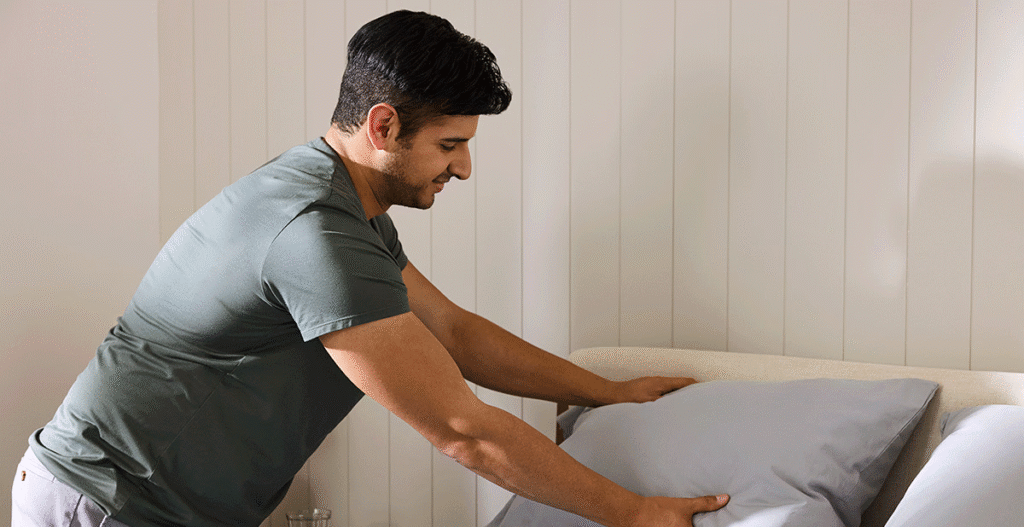
It sounds like classic advice from your parents, but it works. Making your bed takes 60 seconds and gives you an immediate, easy win before you even leave your bedroom. When everything else feels chaotic later on, walking back into a tidy room offers a small, comforting sense of order.
4. Drink Water Before Coffee
Your body spends 7 or 8 hours running without a drop of liquid. That groggy feeling you get right after waking up is often just mild dehydration, not a lack of caffeine.
- Keep a glass or bottle on your nightstand.
- Drink it right as you sit up, then go make your coffee.
5. Move a Little Bit
You don’t need to hit the weights or go for a intense run every single morning. The goal here is just to get blood flowing to your brain and wake up stiff joints.
| Movement Type | Time Required | Why It Works |
| Brisk Walk Outside | 15 Mins | Natural sunlight sets your body clock + easy movement |
| Light Floor Stretches | 10 Mins | Relieves neck and lower-back tightness from sleeping |
| Quick Bodyweight Circuit | 15 Mins | Gets your heart rate up without needing a gym trip |
| Simple Kitchen Stretches | 5 Mins | Easy to do while waiting for your coffee or tea to brew |
Protecting Your Focus and Energy

Once the workday kicks off, everyone wants a piece of your time. Setting clear boundaries is the only way to get actual work done.
6. Pick Just 3 Priority Tasks
A to-do list with 25 items on it isn’t a strategy—it’s a recipe for anxiety.
- Every morning, write down the top three things that actually matter.
- Ask yourself: “If I only finished three tasks today and logged off, what would make me feel like I made real progress?”
- Focus on those three first. Everything else is just bonus points.
7. Do the Hardest Task First
When your mental fuel is full in the morning, dive straight into the toughest, most complex task on your list. Whether it’s writing a tough document or sorting through confusing spreadsheets, getting it out of the way early lifts a massive invisible weight off your shoulders for the rest of the day.
8. Work in Short, Timed Blocks
Your brain isn’t built to stare at a computer screen for four uninterrupted hours. Trying to force it usually leads to mindless tab-switching and low energy.
- Try 25/5: Work for 25 minutes with single-minded focus, then step away for 5 minutes.
- Try 45/10: Work for 45 minutes, then take 10 minutes to reset.
- During focus time: close extra browser tabs, put your phone face-down, and do just one thing at a time.
9. Take Real Rest Breaks
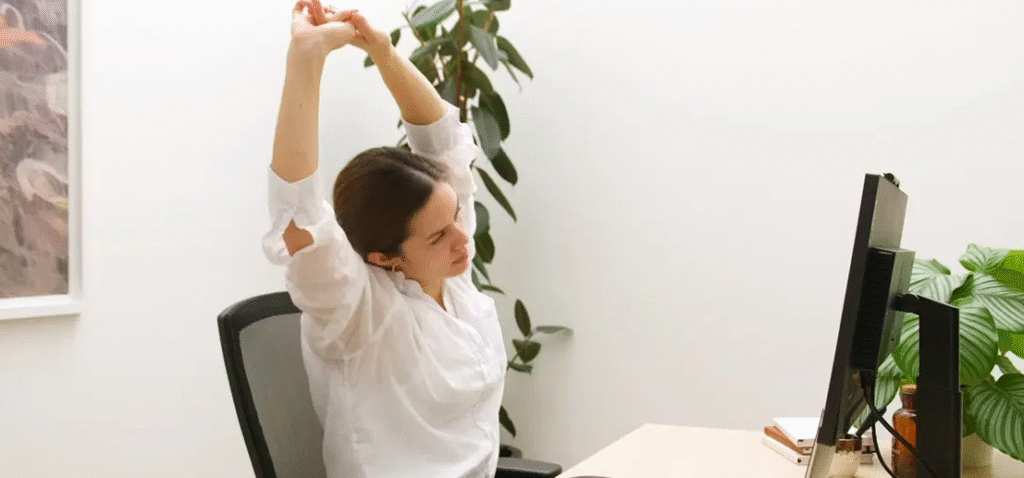
Switching from a work tab to a social media app on your phone isn’t a break—it’s just changing the type of screen you’re staring at.
- A real break gives your eyes and mind a moment of peace.
- Stand up, grab some water, step outside, or just look out the window for a few minutes.
10. Spend 5 Minutes Tidy Up Your Desk
Physical clutter eats up mental bandwidth. Taking five minutes at the start or end of your workday to throw away stray wrappers, stack notebooks, and push in your chair gives your mind a clean visual slate to work from.
Unwinding properly in the Evening
A smooth morning actually begins the night before. How you close down your evening directly impacts how well you sleep and how calm you feel tomorrow.
[ Unplug Screens ] ──► [ 5-Minute Room Reset ] ──► [ Plan Tomorrow ] ──► [ Consistent Sleep ]
11. Eat at Least One Meal Without a Screen
Most of us have developed a habit of eating while watching a video, answering messages, or checking emails.
- Try turning off the screens for just one meal a day.
- Slow down, focus on your food, or chat with whoever you live with. It turns a quick daily necessity into a much-needed mental break.
12. Do a 5-Minute Tomorrow Setup
Before you relax for the evening, spend five quick minutes making tomorrow easier for yourself:
- Lay out your clothes.
- Pack your work bag.
- Jot down your top three tasks for tomorrow on a sticky note.
- When you wake up, you won’t have to spend energy wondering what to do first—the plan is already waiting for you.
13. Create a Screen-Free Buffer Before Bed

Bright screens and endless video feeds tell your brain that it’s still daytime, keeping your mind racing when you should be winding down.
- Set a timer to put away your phone 30 to 60 minutes before bed.
- Replace scrolling with reading a physical book, taking a warm shower, or listening to calm music.
14. Treat Bedtime Like an Important Meeting
In a culture that constantly glorifies overworking, sleep is usually the first thing people cut. But consistently missing sleep ruins your mood, focus, and physical health over time. One of the healthiest habits you can build is treating your bedtime with respect—getting to bed on time is the ultimate gift to your tomorrow self.
15. End Your Day With a Quick Check-In
Before going to sleep, ask yourself three simple questions:
- What went well today?
- What felt frustrating or exhausting?
- What small adjustment can I make tomorrow?
- Don’t judge yourself. Just notice the patterns so you can adjust your days to fit your real energy levels.
How to Actually Stick to These Habits

The reason most routines fail is that people try to adopt all habits on Monday morning. By Thursday, they are burnt out and throw in the towel.
Week 1: [ Drink Morning Water ] + [ Write 3 Tasks ]
Week 2: Add [ 5-Minute Evening Setup ]
Week 3: Add [ 15-Minute Morning Walk ]
- Pick Two to Start: Choose just two habits from this list that feel effortless. Do them until they feel as automatic as brushing your teeth.
- Attach New Habits to Old Ones: Anchor a new action directly onto something you already do every day.
- “Right after I start the coffee maker, I’ll drink a glass of water.”
- “Right after I close my laptop for the day, I’ll clear off my desk.”
- “Right after I start the coffee maker, I’ll drink a glass of water.”
- Expect Messy Days: Life will happen. You’ll sleep through alarms, order fast food, or scroll on your phone late into the night. That doesn’t mean your routine failed. Just pick up your basic anchors again the next day and keep moving.
Building good habits and a better routine isn’t about controlling every minute of your life—it’s just about creating a little more space to breathe.
Frequently Asked Questions
Do I really have to wake up super early for a routine to work?
Not at all—the best wake-up time is simply whatever gives you a full night’s rest and fits your actual life.
What should I do if I keep falling off my routine after a few days?
Cut back to just one or two dead-simple habits at a time until they feel effortless before adding anything new.
How do I stop checking my phone the second I wake up?
Keep your phone out of arm’s reach from your bed and replace early scrolling with something quick like drinking water or stretching.
What if my daily schedule is too unpredictable for a strict routine?
Focus on loose anchors instead of set times—like doing a quick 5-minute workspace reset whenever your workday officially ends.
Is it okay to completely drop my routine on the weekends?
Definitely—weekends are meant for rest, so just keep a loose sleep schedule and give yourself total freedom everywhere else.

Habits to Create a Better Daily Routine
You know the ones: a pitch-black screen at 4:30 AM, a glass of dark green…

12 Everyday Social Skills That Can Make You More Confident
Most of us treat confidence like eye color: you’re either born walking into a room…

10 Email Habits That Will Make Your Workday More Productive
Let’s be honest for a second: email has a sneaky way of taking over your…

15 Powerful Self-Love Practices to Build Confidence, Happiness, and Self-Worth
Let’s drop the polished presentation entirely and talk about how this actually plays out when…

How to Become Financially Independent: A Practical Guide for Beginners
Let’s be honest: the phrase “financial independence” sounds pretty intimidating.It often conjures up images of…

12 Simple Ways to Build Healthier Social Media Habits
Let’s be honest with each other for a second: almost nobody unlocks their phone with…