
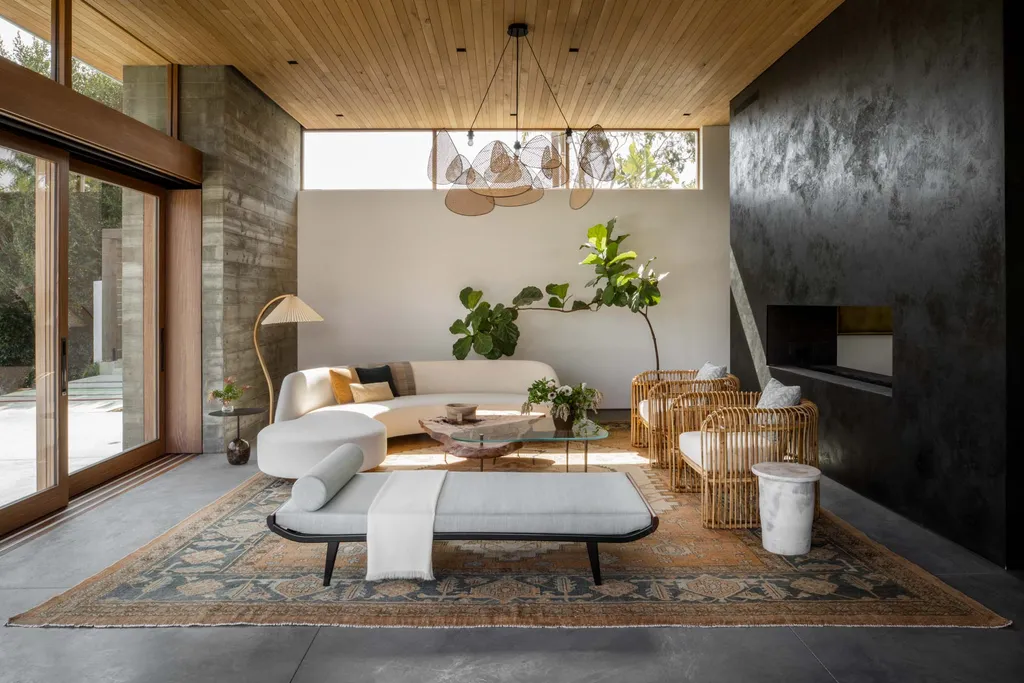
A home does not need to be packed with furniture to look beautiful. Sometimes, the rooms that feel the most comfortable are the ones where you can actually see some empty space.
That is what makes minimalist furniture so appealing.
It gives you enough to make a room useful and comfortable without making it feel crowded. A simple sofa, a wooden table, a comfortable bed, and some practical storage can often do more for a home than a room full of furniture that nobody really uses.
Modern minimalist furniture is not about making your home look plain. It is about choosing things more carefully.
What Is Modern Minimalist Furniture?
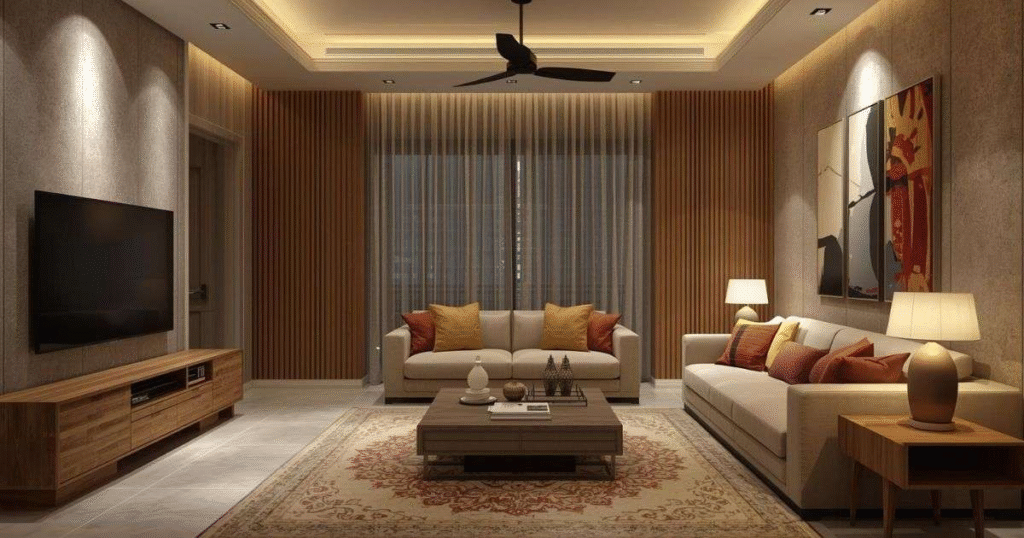
Minimalist furniture usually has a simple design. You will notice clean shapes, straight or soft lines, neutral colors, and fewer decorative details.
But there is more to it than appearance.
A good minimalist piece should have a purpose. It should fit the room, be comfortable to use, and make sense for the way you live.
For example, there is no point buying a beautiful coffee table that takes up most of the walking space in your living room. It may look great, but if you keep bumping into it, you will probably regret the purchase.
That is where minimalist design makes sense. It asks you to think about how something will actually work in your home.
Why Simple Furniture Can Change a Room
Furniture has a big effect on how a room feels.
A large sofa can make a small living room feel even smaller. Too many cabinets can make a bedroom feel closed in. A dining table that is too big can leave hardly any room to move around.
Removing or replacing just one bulky piece can sometimes make a bigger difference than adding several decorative items.
This is why minimalist furniture works particularly well in smaller homes and apartments. It helps you use the available space without making everything feel squeezed together.
There is also something nice about coming home to a room that is not visually overwhelming.
You can sit down, relax, and actually enjoy the space instead of constantly noticing things that need to be moved or organized.
Start With How You Actually Live
Before buying minimalist furniture, think about your daily routine.
How many people use the living room? Do you regularly have guests? Do you work from home? Do you eat at the dining table every day, or is it mostly used when someone visits?
These small questions can help you choose furniture that makes sense.
For example, if you rarely have guests, you may not need a huge dining table. If your living room is also your work area, a small side table or compact desk might be more useful than another decorative chair.
Furniture should fit your lifestyle rather than forcing your lifestyle to fit the furniture.
Keep the Living Room Comfortable
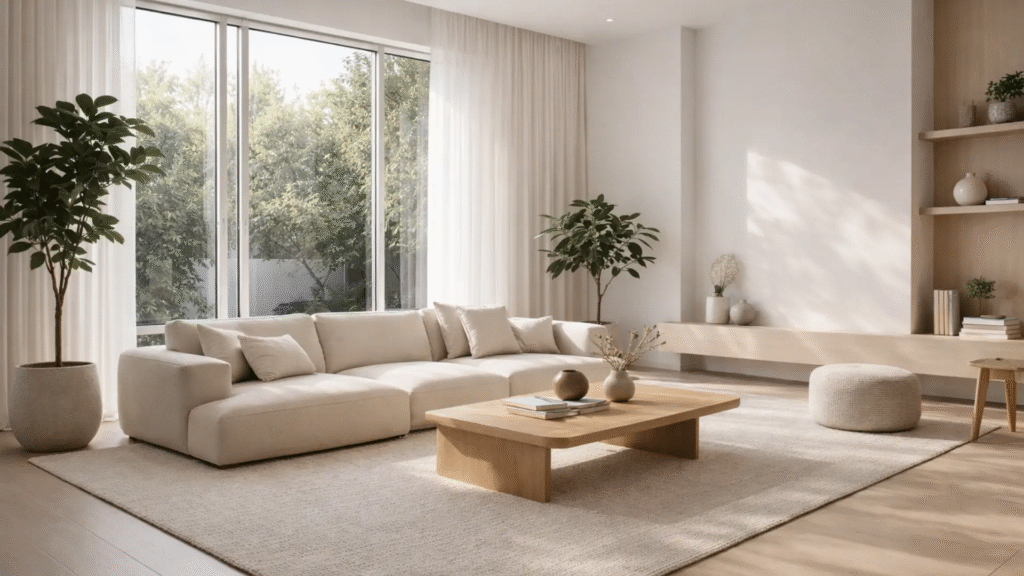
A minimalist living room does not need much.
A comfortable sofa is a good starting point. From there, you can add a coffee table, TV unit, floor lamp, or one accent chair if you actually need it.
The important thing is to leave some room between the pieces.
You should be able to walk around without squeezing through narrow gaps. You should also have somewhere to put your coffee, phone, book, or remote without covering every surface with furniture.
And do not worry if one corner of the room stays empty.
Empty space can be useful too.
Choose a Sofa for Real Life
When buying a sofa, looks should not be the only thing you consider.
Think about what you normally do on it.
If you like watching movies, you probably want something deep and comfortable. If you sit there with your laptop, you may prefer a firmer design. If children or pets use the sofa regularly, easy-to-clean fabric might matter more than having a delicate finish.
For a minimalist look, simple shapes usually work well.
You do not need a sofa with lots of patterns or decorative details. A well-designed plain sofa can look just as attractive, especially when you add a rug, cushions, or a throw that brings some personality into the room.
Do Not Make the Coffee Table Too Big
A coffee table seems like a small decision until you put it in the room and realize it is in everyone’s way.
The right size depends on your sofa and the amount of space you have.
If your living room is compact, a small round table or nesting tables may be more practical. If you need extra storage, a table with a shelf or drawer can help keep things such as remotes and magazines from spreading across the room.
You want the table to be useful, not become the main thing everyone has to walk around.
Give Your Bedroom Some Breathing Room
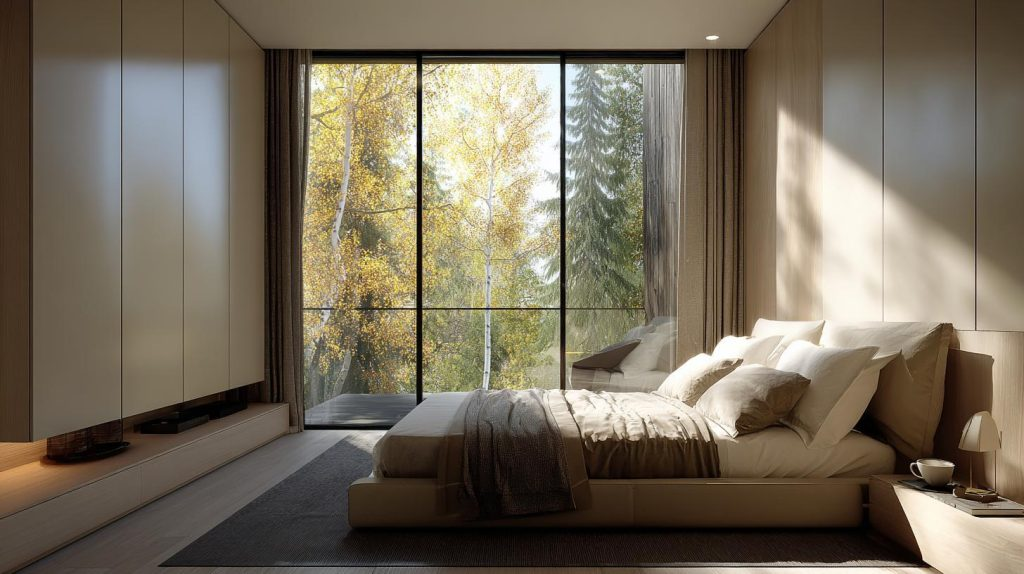
The bedroom is probably the last place where you want visual clutter.
A bed, wardrobe, bedside tables, and perhaps one small bench or chair can be enough.
If your bedroom is small, choose furniture that does not feel too heavy. A bed with built-in storage can be especially useful because you get extra space without adding another cabinet.
Try keeping the area around the bed fairly clear as well.
It sounds like a small detail, but being able to see some open floor when you walk into the bedroom can make the room feel much more peaceful.
Storage Is Still Important
Minimalism does not mean you suddenly stop owning things.
There will still be clothes, shoes, books, documents, chargers, blankets, and plenty of other everyday items.
That is why storage is such an important part of minimalist furniture.
Closed cabinets and drawers can keep the things you need close by without making the room look messy.
A storage ottoman can hold blankets. A bed with drawers can store clothes. A sideboard can keep dining essentials organized.
When furniture gives you storage without taking up unnecessary space, it becomes much more useful.
Keep the Dining Area Simple
The dining table does not need to dominate the entire room.
Choose a size that works for the number of people who normally use it. If you occasionally have a full house, an extendable table can be a better option than keeping a huge table in the room all year.
Wooden dining tables are a popular choice because they add warmth to a simple interior. If you prefer a more contemporary look, glass, metal, or mixed-material designs can work nicely too.
Comfortable chairs matter just as much as the table.
After all, nobody wants to sit through dinner on a chair that looks great but starts hurting after twenty minutes.
Neutral Colors Are Not Your Only Option
Minimalist furniture often comes in white, beige, grey, cream, and natural wood tones.
These colors are easy to combine, which is one reason they are so popular.
But there is no rule saying your minimalist home has to be completely neutral.
If you like color, use it.
A dark green chair, a warm brown sofa, or a muted blue cabinet can add character without making the room look cluttered.
The key is to avoid making every piece compete for attention.
Bring in Natural Materials

Wood is one of the easiest ways to make a minimalist room feel warmer.
A simple wooden table can stop a modern room from feeling too cold. A wooden shelf can add texture without requiring much decoration. You can also mix materials. Try a fabric sofa with a wooden coffee table. Add a metal lamp. Put a soft rug underneath. You do not need every piece to match perfectly. In fact, a room can feel more natural when the materials are slightly different.
Use Texture Instead of More Stuff
Sometimes a room feels boring, and the first thought is, “I need more furniture.”
Not necessarily.
Maybe what the room needs is texture.
A soft rug can change the feeling of a living room. A knitted throw can make a sofa feel more inviting. Curtains can soften a room with lots of hard surfaces. A plant can add a little life.
These changes do not require much space.
And unlike adding another cabinet or chair, they do not make the room harder to move around in.
Measure Before You Buy
This sounds basic, but it is worth mentioning because furniture can look very different in a showroom.
Always measure your room.
Measure the space where the furniture will go, but also check the doorway, hallway, lift, staircase, or any other route the furniture will need to take.
A sofa can be perfect on paper and still become a nightmare if it cannot get through the front door.
Also leave enough space to walk around your furniture comfortably.
A room should not feel like an obstacle course.
Multifunctional Furniture Makes Sense
If you do not have much space, furniture that serves two purposes can be incredibly useful.
A sofa bed can be used for everyday seating and then turned into a sleeping area when someone stays over.
An ottoman can work as a footrest, extra seat, and storage box.
A foldable table can stay out of the way most of the time and become larger when you have guests.
These pieces are useful because they give you more options without requiring more furniture.
Your Home Does Not Have to Look Perfect

One thing that is sometimes forgotten when talking about minimalist interiors is that people actually live in their homes.
There will be books on the table.
There will be a charger somewhere.
Someone will leave a jacket on the chair.
And occasionally, there will be a pile of laundry that nobody wants to deal with.
That is normal.
A minimalist home does not have to look perfect every day. The idea is simply to make the space easier to manage and more comfortable to live in.
Do not design your home only for photographs.
Design it for yourself.
Add Things You Actually Like
A simple room still needs personality.
If you love plants, add plants.
If you collect books, keep your books.
If you have photographs that mean something to you, put them somewhere you can see them.
Minimalism does not mean removing everything personal from your home.
It is more about being selective.
Instead of covering every shelf with decorations, choose a few things that you genuinely care about.
They will usually have much more impact that way.
Avoid Buying Furniture Just to Fill a Corner
This is an easy habit to fall into.
You see an empty corner and think, “Something should go there.”
But does it?
Sometimes an empty corner is exactly what a room needs.
Open space gives your eyes somewhere to rest and makes the room feel less crowded.
If you do want to use the area, make sure the furniture has a reason for being there. A reading chair you actually use makes sense. A small table that only collects dust probably does not.
Think About Longevity
Furniture is not something you should necessarily replace every time a new trend appears.
If you are buying a sofa, table, bed, or wardrobe, think about whether you will still like it a few years from now.
Simple designs often have an advantage here because they are easier to work with when your tastes change.
You can change cushions, rugs, curtains, artwork, or lighting without replacing the main furniture.
That can save money and keep your home feeling fresh.
You Do Not Need to Replace Everything at Once
If your home currently feels cluttered, do not panic and start planning a complete makeover.
Take one room at a time.
Look at the furniture you already have. Get rid of things you genuinely do not use. Move pieces around. See what feels better.
Then, if something still does not work, replace it.
Maybe the sofa is simply too large. Maybe the TV cabinet takes up too much room. Maybe you need better storage.
Fix the actual problem rather than changing everything just because minimalist furniture is trending.
Minimalism Should Make Life Easier

That is probably the simplest way to think about it.
If your furniture makes the room easier to use, easier to clean, and more comfortable to spend time in, you are probably heading in the right direction.
You do not need a completely empty room. You just need enough furniture to support the way you live. The best minimalist spaces are often the ones that do not look like they are trying too hard. Everything feels natural. Nothing seems to be fighting for attention. You can sit down, move around, relax, and enjoy the room.
Modern minimalist furniture is not really about having fewer things for the sake of having fewer things. It is about making better choices.
Choose the sofa you will actually enjoy sitting on. Pick a dining table that fits your space. Use storage where you genuinely need it. Leave some open areas instead of filling every corner. Add a few personal touches so the room still feels like yours.
You do not need an expensive makeover to make your home feel better.
Sometimes, moving one piece of furniture, removing something you never use, or replacing one oversized item is enough. A comfortable home does not have to be crowded. And it does not have to be perfect either. It just needs to work for the people who live there.
Frequently Asked Questions
1. What is modern minimalist furniture?
It is simple, practical furniture with clean designs and little extra decoration. The idea is to keep your home comfortable without making it feel crowded.
2. Is minimalist furniture suitable for small homes?
Absolutely. Simple furniture can leave more open space, making smaller rooms feel less cramped and easier to move around in.
3. Does minimalist furniture make a home look boring?
Not at all. You can add plants, artwork, colorful cushions, wooden textures, or personal pieces while still keeping the overall look simple.
4. How can I make my home look more minimalist?
Start by removing furniture you rarely use and keeping only what serves a purpose. Better storage and a little more open space can make a noticeable difference.
5. Is minimalist furniture practical for everyday living?
Yes, especially when you choose pieces based on how you actually use your home. Multifunctional furniture and smart storage can make everyday life much easier.