
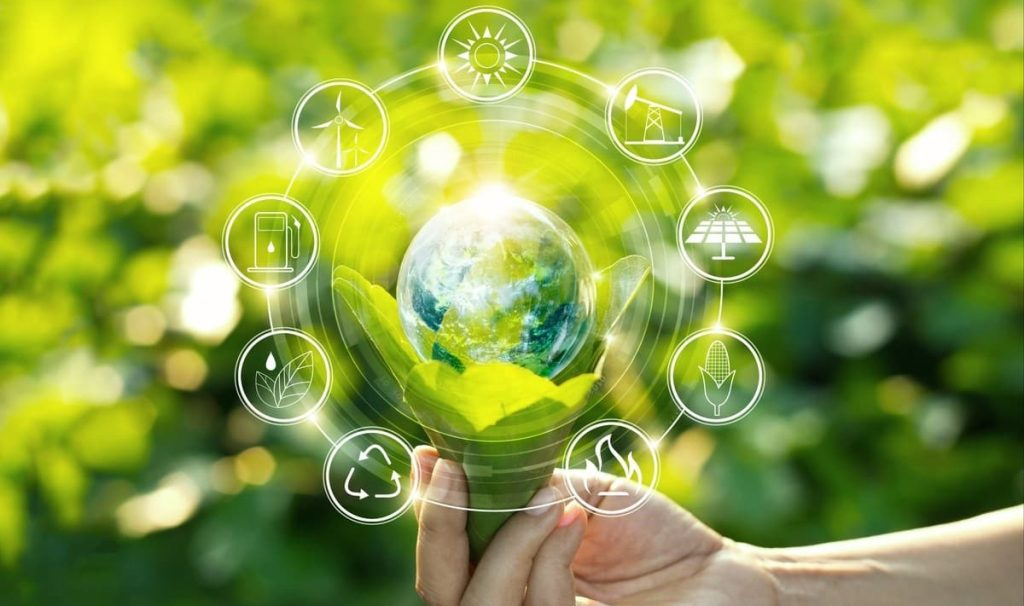
Technology has always been about making our day-to-day lives a little easier. Think about it: smartphones keep us connected, online shopping saves us a trip to the store, and smart appliances take the pain out of basic chores. But behind all these conveniences, a much bigger shift is taking place. Tech isn’t just trying to make things faster anymore—it’s getting serious about staying clean. Green technology is changing how we go about our days by helping us waste less energy, water, and money. It’s showing up on our roofs, in our garages, throughout our workplaces, and even inside the apps we use to shop.
The coolest part? Living sustainably doesn’t mean giving up comfort anymore. You don’t have to freeze in the winter or give up modern perks just to do your part. In fact, most green tech works so well in the background that it makes saving resources effortless.
Here is a real, practical look at how that’s happening right now.
What Do We Actually Mean by “Green Tech”?

When people say “green tech,” it sounds like a massive corporate buzzword. But at its heart, it just means using clever engineering to solve everyday problems without destroying the environment along the way.
It covers a huge range of things, but it usually falls into two categories:
1. The Stuff You Can Spot Right Away
These are the obvious changes you see walking down the street. Rooftop solar panels soaking up sunlight, quiet electric cars plugged in at the curb, massive wind turbines off the highway, or localized recycling centers in your neighborhood.
2. The Invisible Mechanics
This is the tech working quietly behind the scenes. Think of a smart thermostat tweaking your AC while you’re out walking the dog, a hidden sensor catching a pipe leak under a city street, or software planning a delivery driver’s route so they use half the gas. You never see these systems, but they prevent tons of waste every single day.
1. Homes That Practically Run Themselves Efficiently
Our homes are usually the very first place where we waste energy without realizing it.
We’ve all done it: left the basement light on overnight, let the AC blast in an empty room, or kept an ancient mini-fridge running in the garage that draws way too much power.
Smart home gear fixes these human slip-ups automatically:
- Lights that pay attention: Motion sensors turn lights off when you walk out of a room. You can also set them on schedules so you aren’t accidentally illuminating the driveway all day.
- Thermostats that learn your habits: Instead of running full blast 24/7, a smart thermostat learns when you leave for work and cools the house down right before you get back. Some even look at the local weather forecast to figure out the cheapest time to run.
- Plugs that kill “vampire” power: Electronics draw power even when they’re turned off—something often called phantom load. Smart plugs detect when a device is sleeping and cut the power completely until you actually need it again.
None of these minor tweaks feel life-changing on a random Tuesday. But over a whole year, those small daily savings make a serious dent in your electric bill.
2. Turning Houses into Mini Power Plants
For over a hundred years, the electric grid worked one way: a massive power plant burned fuel miles away, pushed electricity through long wires, and we paid for whatever came out of the outlet.
Rooftop solar completely flips that old setup upside down.
Putting solar panels on your roof lets you generate electricity right where you use it. Instead of just buying power, your house becomes its own small power station.
Why Home Batteries Change Everything
Solar panels are great, but they produce the most electricity during the middle of the day when the sun is high. The problem is that most people are at work or school then, and household power use peaks in the evening when everyone gets home.
Home batteries solve that disconnect. They store the extra energy your roof generates during the day so you can use it after dark. When the sun goes down, your home switches over to battery power, running your TV, kitchen appliances, and lights on banked sunlight.
Solar isn’t a silver bullet for every single house—roof space, local weather, and upfront costs still matter. But as the tech gets cheaper and lighter, it’s turning normal neighborhoods into decentralized energy grids.
3. Electric Vehicles and Cleaner Ways to Move Around

Transportation is one of the biggest causes of pollution, making it a huge target for clean technology.
Electric cars, e-bikes, scooters, and electric buses are moving fast from rare novelties to normal, everyday options. Swapping a gas engine for a battery pack changes almost everything about owning a vehicle:
- No exhaust fumes: EVs produce zero tailpipe emissions, which immediately makes air quality better in crowded cities.
- Fueling up at home: Instead of standing at a gas station in the freezing cold, you plug the car in overnight and wake up to a “full tank” every morning.
- Fewer trips to the mechanic: Electric motors have way fewer moving parts than gas engines. There are no oil changes, spark plugs, or timing belts to worry about, keeping long-term maintenance costs surprisingly low.
Taking a Honest Look at the Trade-offs
It’s worth being realistic here: electric cars aren’t perfect. Mining materials like lithium and cobalt for batteries takes a toll on the environment, and an EV is only as clean as the power grid used to charge it.
That said, as power grids switch over to wind and solar, EVs automatically get cleaner over time. Even on today’s energy grid, driving an EV creates far fewer lifetime emissions than burning gasoline every day.
4. Public Transit That People Actually Want to Use
Cleaning up travel isn’t just about replacing every gas car with an electric car. It’s about making public transportation good enough that you don’t need to drive every time you leave the house.
Cities are combining simple infrastructure with smart software to make transit less stressful:
- Real-time bus tracking: Apps tell you exactly when your bus is turning the corner, so you aren’t standing at a cold stop guessing when it will show up.
- Tap-and-go payments: Digital tickets mean no digging for cash or waiting in long lines to buy a pass.
- Smarter traffic lights: City networks can spot an oncoming electric bus and keep the light green, keeping public transit moving on time.
- E-bikes for the last mile: Shared bike and scooter networks make it easy to get from the train station straight to your destination without calling an expensive ride.
When taking a bus or train is cheap, predictable, and easy to track, choosing it over sitting in traffic becomes a no-brainer.
5. Appliances That Use Half the Energy to Do the Same Job
Take a second to think about all the heavy-duty appliances running in your home: refrigerators, washing machines, dryers, dishwashers, and water heaters. They run constantly and take up a massive chunk of your utility bills.
Modern energy-efficient appliances are engineered to do the exact same work while pulling way fewer resources from the grid:
- Smarter cooling: Older fridges and AC units use an “all-or-nothing” motor—they blast at full power, turn off, and then blast again. Modern models smoothly adjust their power output up and down, holding steady temperatures while using far less electricity.
- Smarter washing: Modern washing machines weigh your clothes and check how dirty the water is, using the exact amount of water needed instead of wasting gallons on a light load.
- Heat pump dryers and water heaters: Instead of generating heat from scratch using power-hungry electrical coils, heat pumps pull warmth straight out of the surrounding air and move it where it’s needed. That simple trick uses up to 50% to 70% less energy.
You don’t have to change your routine or learn new habits; the machine just works better on its own.
6. Saving Water Without Sacrificing Your Daily Shower

Energy gets most of the attention, but keeping fresh water flowing is just as important. Treating and pumping water takes a massive amount of electricity, so wasting water is really wasting energy, too.
Green tech offers simple ways to cut down on water waste without making your life uncomfortable:
Yard Watering That Checks the Weather
Old-school sprinklers run on basic timers. They’ll happily spray your lawn even if it’s pouring rain outside. Smart irrigation controllers link up to local weather reports and soil sensors. If rain is on the way, the system skips the watering cycle entirely, saving thousands of gallons a year.
Catching Hidden Leaks Early
A small leak behind a wall or under a foundation can run silently for months, wasting tons of water and causing thousands in damage. Smart water meters track your home’s usage. If they spot a tiny, constant flow that looks like a leaking pipe or running toilet, they alert your phone—or shut off the main valve automatically to prevent a flood.
Showers That Still Feel Great
Modern showerheads mix air into the water stream. This keeps the pressure feeling strong while actually using a fraction of the water volume.
7. Smarter Buildings and Green Architecture
Commercial office towers use enormous amounts of power to run lighting, heating, elevators, and cooling systems. Modern green architecture aims to shrink that heavy footprint using better materials and smart automation.
Better Building Bones
It starts with passive design. Triple-pane windows, thick insulation, and reflective roofs stop heat from baking the building in the summer and trap warmth inside during winter. That means the central heating and cooling plants don’t have to work nearly as hard.
Rooms That Sense People
Inside modern offices, small sensors track how space is being used:
- If a conference room empties after a meeting, sensors turn off the lights and dial down the AC.
- Automated window blinds track the sun throughout the day, lowering themselves to cut heat glare and opening back up to let natural daylight in when needed.
- Smart ventilation systems monitor indoor air quality, pulling in fresh outdoor air only when needed instead of blowing fans all day long.
The best sustainable buildings combine simple, smart architecture with intelligent controls, creating comfortable spaces that cost far less to run.
8. Keeping Gear Alive: The Shift to a Circular Economy
For decades, the standard way to buy things was linear: Make it -> Use it briefly -> Toss it in the trash.
Green tech is helping us shift toward a circular economy, where we keep products, tools, and raw materials working for as long as possible through repair, resale, and proper recycling.
Reselling Is Easier Than Ever
Apps and online marketplaces have made buying and selling pre-owned items incredibly easy. Instead of throwing out a solid wooden table, an old smartphone, or clothes your kids outgrew, you can sell or donate them locally in minutes. Giving a quality item a second life keeps it out of a landfill and avoids the environmental footprint of manufacturing a new one.
Choosing Repair Over Replacement
Online repair guides, open diagnostic tools, and community forums give everyday people the knowledge to fix broken electronics and appliances themselves. Replacing a worn-out phone battery or swapping a small part in a washing machine adds years to a product’s lifespan and keeps cash in your pocket.
9. Dealing with the Growing Mountain of E-Waste
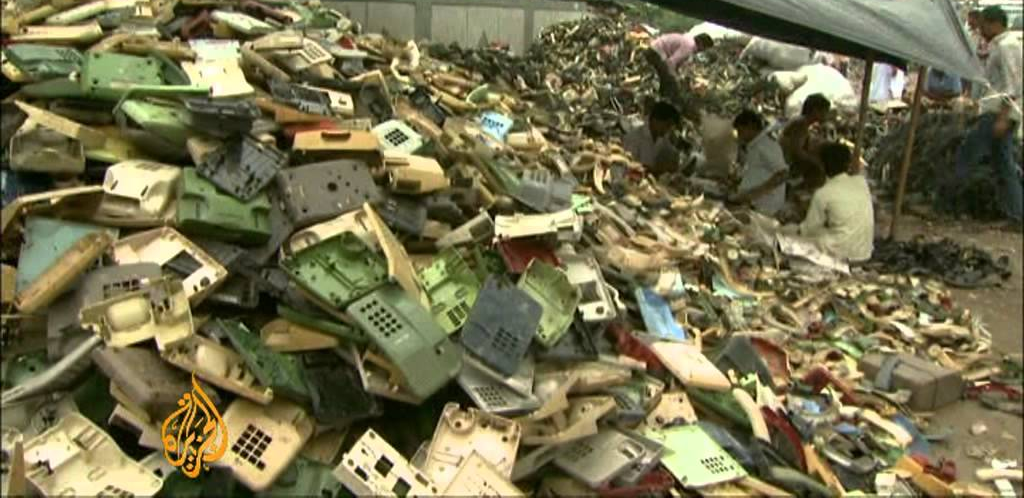
As much as technology helps us save energy, our reliance on gadgets has created a messy problem: electronic waste, or e-waste.
When dead laptops, old phones, and frayed cables get tossed into regular trash, toxic metals like lead and mercury can leak into the soil. At the same time, precious metals like copper, silver, and gold locked inside those circuit boards are lost forever.
Making our tech habits sustainable comes down to two simple things:
- Keep your gear longer: The single greenest step you can take is keeping your current phone or laptop for an extra year instead of upgrading the second a new model comes out.
- Recycle old electronics properly: When a device finally stops working for good, take it to a specialized e-waste drop-off. These facilities safely strip out raw metals so they can be reused in future products.
Real green technology isn’t just about launching slick new products; it’s about taking responsibility for what happens to those products when we’re finished with them.
10. How AI and Data Help Protect the Environment
Artificial Intelligence (AI) and big data are becoming incredibly useful tools for protecting natural resources. By crunching massive amounts of environmental data in seconds, smart algorithms can spot patterns humans might take years to catch.
- Farming with precision: Farmers use drone camera footage and AI soil analysis to target the exact spots in a field that need water or nutrients. Instead of spraying an entire crop uniformly, inputs are applied with pinpoint accuracy, cutting down on runoff into local rivers.
- Fixing power grids before they break: Utility companies use machine learning to watch performance data from wind turbines and power lines. AI predicts when a part is about to wear out, letting technicians fix it before a major blackout happens.
- Smarter delivery routes: Shipping companies use route-planning software to shave off unnecessary miles from their delivery trucks, saving fuel and reducing traffic congestion.
The Hidden Energy Cost of AI
There’s an important balance to keep in mind here: running massive AI data centers takes a huge amount of electricity and cooling water. AI isn’t automatically “green” on its own. Its overall impact depends on whether tech companies power their server farms with clean energy and use that computing power to solve real environmental problems.
10 Quick Steps You Can Take Today
You don’t need a huge budget, a brand-new electric car, or solar panels on your roof to start living a bit greener. Sustainability works best when small, practical habits fit naturally into your day.
Here are ten easy, high-impact things you can start doing right now:
- Switch your bulbs to LEDs: They use up to 85% less electricity and last for years without burning out.
- Unplug idle electronics: Chargers, gaming consoles, and TV setups draw power even when turned off. Unplug them or use a smart power strip.
- Fix water drips fast: A slowly dripping faucet or running toilet can waste thousands of gallons of clean water over a few months.
- Hold onto your phone longer: If your current phone works fine, hold off on upgrading for another year or two.
- Wash your laundry in cold water: Around 75% to 90% of the energy your washing machine uses goes solely toward heating water. Cold water detergents work just as well.
- Adjust your thermostat a notch: Turning your thermostat down two degrees in winter (or up two degrees in summer) makes a real difference on your bill.
- Try repairing broken stuff: Check online guides or local repair shops before throwing away a malfunctioning appliance.
- Shop pre-owned first: Check for refurbished electronics, pre-owned furniture, and second-hand clothes before buying brand new.
- Group your errands together: Combine your weekly store runs into one single trip, or walk for short trips under a mile.
- Recycle dead batteries and tech: Keep old tech out of your regular trash bin by taking it to an official local collection center.
Where Green Tech Is Headed Next

The next few years are going to bring even cleaner, more connected systems.
Imagine living in a house that watches weather forecasts, charges your car using stored rooftop energy when power rates are cheapest, and sells extra electricity back to your neighbors during peak demand.
Picture cities where smart water networks spot underground pipe leaks before a single drop is wasted, where public buses run cleanly on electric power, and where office buildings generate their own energy while filtering the city air around them.
The most exciting part about the future isn’t having more gadgets lying around. It’s having smarter tech working quietly in the background to eliminate waste without demanding extra effort from us.
A Few Last Words
Green technology is changing our lives in ways that are sometimes obvious and sometimes almost invisible.
From rooftop solar panels and electric cars to smart thermostats, low-flow showerheads, reselling apps, and energy-efficient appliances, clean tech is turning sustainable living into standard living.
The goal was never to give up modern comforts, sacrifice convenience, or step back in time. The goal is to find smarter, cleaner ways to live today.
Technology alone won’t solve every environmental problem—our daily choices, habits, and community policies matter just as much. But when smart technology aligns with conscious choices, building a cleaner, healthier world becomes something we can actually achieve every single day.
Frequently Asked Questions
Q: Is green tech actually useful, or is it just a marketing trick?
A: It’s legit—when smart plugs and LEDs cut your monthly electricity bill in half, you feel the difference in your wallet immediately.
Q: Do I need to completely change my lifestyle to be more eco-friendly?
A: Not at all, man—just washing your clothes in cold water and keeping your current phone one extra year does a ton of heavy lifting.
Q: Do electric cars really help, or do they just shift the pollution to power plants?
A: They genuinely help—gas cars burn fuel forever, while EVs get cleaner over time as power grids switch to wind and solar.
Q: What’s the big deal if I just throw my old phone in the regular trash?
A: Old phone batteries leak toxic chemicals into the soil, plus you’re throwing away real gold and copper that could easily be reused.
Q: Why waste money on a smart thermostat when I can just turn off the AC myself?
A: Because we all forget when we’re rushing out the door—a smart one catches your slack and shuts it down so you aren’t paying to cool an empty room.