
Money is one of those things we deal with every single day, but somehow, nobody really teaches us what to do with it. We earn it, spend it, save whatever is left, pay bills, buy groceries, order something online, and then wonder where the money disappeared. Sometimes the problem is not that we are spending huge amounts. It is simply that small expenses keep adding up without us noticing. That is why understanding personal finance basics can make everyday life a little easier.
Personal finance does not have to mean complicated spreadsheets, difficult financial words, or sitting for hours calculating every single rupee. It is mostly about knowing where your money is going and making choices that make sense for your actual life. You do not need to become extremely strict with money either. You just need a system that you can realistically follow without feeling frustrated after a few days.
Start by Looking at Your Everyday Spending

Before trying to change anything, it helps to know what you are already doing with your money. This sounds obvious, but it is surprisingly easy to lose track of spending. You might remember paying your rent or electricity bill, but what about the small coffee, the food delivery, the random online purchase, or the extra shopping you did because something looked like a good deal?
None of these purchases automatically mean you are bad with money. The important part is noticing the pattern. When you look at your spending honestly, you may find a few things that surprise you. Maybe food delivery is taking more money than expected. Maybe subscriptions you hardly use are still being charged every month. Or maybe you are actually spending quite reasonably and simply need a better way to organize everything.
There is no need to feel guilty while doing this. Think of it more like checking your phone storage. You are not judging every photo on your phone. You are just finding out what is taking up space so you can decide what you actually want to keep.
Make a Budget That Feels Realistic
A budget sounds serious, but it does not have to feel like punishment. At its simplest, a budget is just a plan for your money. You decide what needs to be paid, what you want to save, and how much is left for normal everyday spending.
The biggest mistake people make is creating a budget that looks perfect on paper but has nothing to do with their real life. If you normally spend some money on eating out, shopping, entertainment, or meeting friends, completely removing those things may work for a few days, but it probably will not last.
A better approach is to make room for them. You can still save money while allowing yourself some spending freedom. A realistic budget should help you feel more in control, not make you feel like every small purchase is a failure.
Understand the Difference Between Needs and Wants
One of the simplest personal finance habits is learning to separate needs from wants. It sounds easy until you are standing in front of something you really want to buy.
Rent, groceries, basic utilities, transportation, and important bills usually fall into the needs category. A new pair of shoes when you already have several pairs, another phone accessory, or ordering food because you do not feel like cooking may be a want.
But wants are not automatically bad. You are allowed to spend money on things you enjoy. The real problem starts when wants constantly take priority over important expenses or savings.
Sometimes just asking yourself, “Do I actually need this right now?” is enough to slow down an unnecessary purchase. You may still buy it afterward, and that is completely fine. The point is to make the decision consciously instead of spending without thinking.
Do Not Make Saving Feel Impossible
Saving money can feel difficult when your income already seems to disappear quickly. If you try to save a huge amount immediately, you may end up giving up altogether.
Start smaller if you need to. Even a modest amount saved regularly can help you build the habit. The first goal does not have to be becoming financially perfect. It can simply be proving to yourself that you can put some money aside before spending everything.
As your income changes or your expenses become easier to manage, you can increase the amount. Saving is much easier when it becomes something normal rather than something you only do when there happens to be extra money left at the end of the month.
Build an Emergency Fund Slowly

Life has a habit of bringing unexpected expenses at the worst possible time. A phone can stop working, a repair can suddenly become necessary, travel plans can change, or an important bill can arrive when you were not expecting it.
This is where an emergency fund can be helpful. It gives you money that is meant for situations you did not plan for.
You do not need to build a huge emergency fund overnight. Start with an amount that feels possible and keep adding to it. Even seeing that separate balance slowly grow can make unexpected expenses feel a little less scary.
The important thing is to keep emergency savings separate from money you normally use for shopping, entertainment, or everyday spending. That makes it easier to leave the money alone until you genuinely need it.
Make Saving Easier With Automatic Transfers
If you constantly tell yourself that you will save whatever is left at the end of the month, there is a good chance there will not be much left. That is just how everyday spending works.
One simple solution is to move some money into savings soon after you receive your income. An automatic transfer can make this easier because you do not have to remember to do it every time.
It does not have to be a large amount. The goal is to make saving part of your routine. Once you get used to living with the amount that remains in your spending account, saving can start feeling much less difficult.
Pay Attention to Small Purchases
Small purchases can be sneaky. Spending a little here and there does not feel serious when you look at each purchase separately. But when those purchases happen repeatedly, the total can become surprisingly large.
Maybe it is a daily snack, another delivery fee, a few online purchases, or small impulse buys. Again, this does not mean you need to stop enjoying these things.
Instead, notice how often they happen. Sometimes reducing just one repeated expense can make a noticeable difference without making your whole lifestyle miserable.
The goal is not to remove every little pleasure from your life. It is to make sure small purchases are not quietly taking money away from things that matter more to you.
Remember Expenses That Do Not Come Every Month
Some expenses are easy to forget because they do not appear every month. Annual subscriptions, insurance payments, birthdays, festivals, travel, school expenses, repairs, or yearly fees can suddenly make a normal month much more expensive.
This is where planning ahead can save you a lot of stress.
If you know something is coming later in the year, you can start putting a small amount aside for it now. That way, when the expense finally arrives, you are not completely caught off guard.
It is a simple habit, but it can make your budget feel much more stable.
Be Careful With Debt
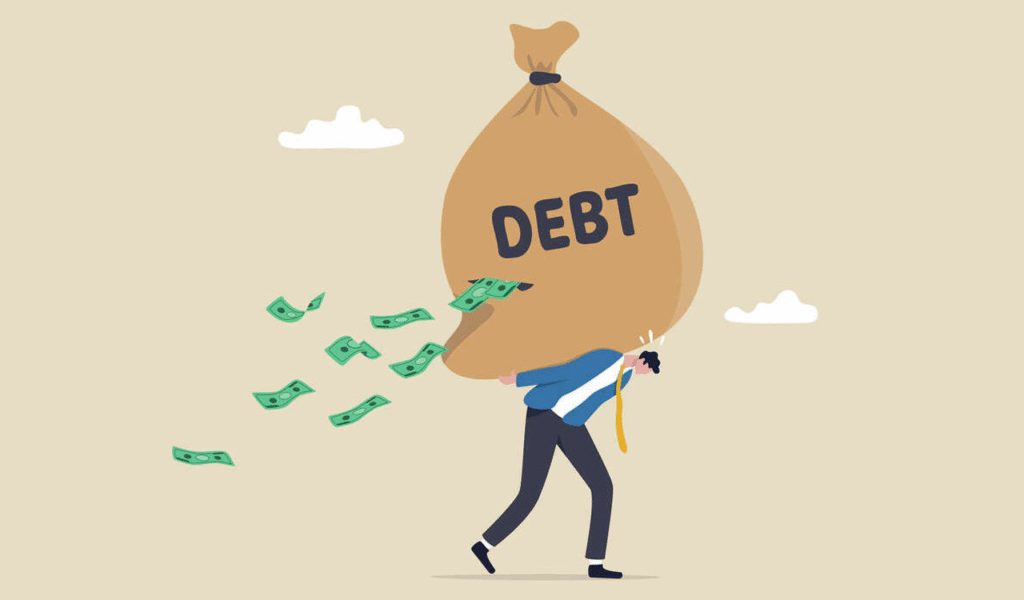
Debt is not always automatically bad, but it should be understood before you take it on. Borrowing money can make something affordable today while creating a payment that follows you for months or even years.
Credit cards, personal loans, buy-now-pay-later options, and other forms of borrowing can make spending feel easier than it actually is. The important thing is knowing how much you will eventually pay and whether the repayment fits comfortably into your budget.
Before taking on new debt, look at the interest, fees, repayment period, and monthly payment. Do not focus only on whether you can afford the purchase today. Think about whether you will still be comfortable paying for it later.
Give Your Savings a Reason
Saving becomes easier when you know what you are saving for. “I should save money” is a nice idea, but it can feel vague.
A specific goal gives your savings a purpose. Maybe you want to build an emergency fund, buy a laptop, take a holiday, move into a new home, pay for education, or simply feel more comfortable about your future.
You do not need one huge financial goal. You can have several smaller ones. Having a reason behind your savings can make it easier to say no to unnecessary spending because you know what you are choosing instead.
Leave Some Space for Fun
A budget with no fun at all is probably not a budget you will enjoy following. People need entertainment, hobbies, outings, small treats, and things that make ordinary life enjoyable.
There is nothing wrong with spending money on those things when they fit within your situation.
In fact, giving yourself a reasonable amount for fun can make the rest of your budget easier to follow. You do not feel like you are constantly restricting yourself, and you are less likely to suddenly overspend after being too strict for weeks.
Money should support your life, not make every day feel like a financial test.
Check Your Accounts From Time to Time
You do not need to check your bank account every few minutes. But ignoring your money completely is not helpful either.
Take a little time occasionally to look at your account balances, recent spending, savings, upcoming bills, and any subscriptions you may have forgotten about.
This small habit helps you catch problems early. You may notice an unexpected charge, a subscription you no longer need, or an expense that has slowly become larger than you realized.
You do not need a complicated financial routine. Even a short check once a week or once every couple of weeks can keep you aware of what is happening.
Stop Comparing Your Financial Life With Other People
This one can be surprisingly difficult.
You see someone buying a new phone, going on expensive trips, wearing expensive clothes, eating at fancy restaurants, or moving into a beautiful home, and it can make you wonder why your own financial life does not look the same.
But you usually do not know the complete story behind someone else’s spending. You do not know their income, savings, family situation, debt, financial priorities, or other responsibilities.
Your money decisions need to work for your life. Someone else’s lifestyle may look exciting, but that does not mean it is the right target for you.
Financial progress is personal. Sometimes making fewer unnecessary purchases and having more savings is a bigger achievement than buying something impressive.
Learn Before You Start Investing
Once your basic money habits are becoming more organized, you may start thinking about investing. That is a natural next step, but there is no need to rush.
Investing comes with different levels of risk, and different investments work differently. Before putting your money somewhere, take time to understand what you are actually buying, how it works, what could go wrong, and how long you may need to keep your money invested.
Do not invest simply because everyone online is talking about something. Do not put money into something you cannot explain in simple words.
Learning first can save you from making decisions based purely on excitement or fear.
Your Budget Will Change as Your Life Changes

Your budget is not something you create once and follow forever.
Your income may change. Your rent may increase. You may start a new job, move to another place, get married, have children, start studying again, or take on new responsibilities. Even small lifestyle changes can affect your finances.
So if your old budget stops working, that does not necessarily mean you failed. It may simply mean your life changed.
Take another look and adjust it. A useful budget should move with you instead of forcing you to live exactly the same way forever.
Leave Room for Real Life
No matter how carefully you plan, something unexpected will eventually happen. Maybe you spend more than expected one month. Maybe a family event comes up. Maybe you have a sudden repair bill.
That is normal.
A financial plan should have some flexibility. If your budget leaves absolutely no room for real life, it can become stressful very quickly.
Give yourself some breathing space whenever possible. Being financially responsible does not mean predicting every single expense perfectly.
You Do Not Have to Fix Everything at Once
When people decide to improve their finances, they sometimes try to change everything on the same day. They make a strict budget, cancel every subscription, stop eating out, start saving, plan investments, pay debt, and track every rupee.
It sounds productive, but it can become exhausting.
Instead, choose one or two things to work on first. Maybe start by tracking your spending. Then create a simple budget. After that, begin building savings.
Small changes may not feel dramatic, but they are easier to maintain. And once a good habit becomes normal, you can add another one.
Do Not Expect Yourself to Be Perfect
You will have months when you spend more than planned. You may buy something impulsively. You may forget to save. You may make a financial decision you later realize was not the smartest one.
That does not mean you should give up.
Personal finance is not about getting every decision right. It is about becoming more aware and making better choices over time.
One bad spending day does not destroy your financial progress. What matters more is what you do afterward.
Think About Your Future Self

It is easy to focus only on what you want today. The new phone, the dinner, the clothes, the weekend trip, or whatever else is catching your attention.
But your future self also deserves some consideration.
Saving a little today can make tomorrow easier. Paying attention to debt can reduce future stress. Building an emergency fund can give you more options when something unexpected happens.
You do not have to sacrifice everything for the future. Just try to leave something behind for the person you will be a few months or years from now.
Keep Your Money Routine Simple
The best personal finance system is usually not the most complicated one. It is the one that feels simple enough for you to actually stick with.
You might keep separate accounts for spending and savings. You might use a budgeting app, write your expenses in a notebook, or simply check your bank statement regularly.
There is no single perfect method for managing personal finance.
If something helps you understand your money and makes your financial life easier, it is useful. And if a system takes so much effort that you stop using it, make it simpler.
Personal Finance Is Mostly About Everyday Choices
Personal finance can sound like a big topic, but much of it comes down to ordinary decisions.
Do I really need this? Can I afford it comfortably? Am I saving anything? Do I know what my monthly expenses are? Am I taking on debt without understanding it? Do I have money set aside for emergencies?
These questions may not sound exciting, but answering them honestly can make a real difference.
You do not need to become obsessed with money. You just need to become a little more aware of it.
Start With Something Small Today
If your finances feel messy right now, do not let that stop you from starting. Personal finance does not have to be figured out all at once.
Open your bank account and look at your recent transactions. Check your subscriptions, write down your regular bills, move a small amount into savings, and pick one expense you would like to reduce.
That is enough for today.
You can figure out the next step later. Getting better at personal finance does not happen in one giant move. It usually comes from small decisions that slowly turn into normal, everyday habits.
Make Money Work With Your Life

At the end of the day, personal finance is not about becoming the person who spends the least money. It is about using your money in a way that supports the life you actually want.
You should be able to pay your important bills, handle unexpected expenses, save for things that matter, and still enjoy your life along the way.
There will always be months that are easier and months that are harder. That is just part of being human.
The goal is not perfection. The goal is to understand your personal finance, stay consistent, and make money decisions that actually fit your situation. Once you start looking at your finances that way, managing money can feel much less overwhelming and much more like something you can actually handle.
Frequently Asked Questions
1. How do I actually start getting better with money?
Stop guessing and take a honest look at your bank account for five minutes. Seeing where your cash is bleeding out makes it way easier to fix.
2. How much should I be saving every month?
Drop the guilt over “ideal” numbers and just save whatever loose change you can spare. Doing $10 consistently beats doing nothing while waiting to be rich.
3. Why is an emergency fund actually important?
Because life usually blows up your phone or your car on the exact week you’re broke. A little buffer keeps a bad day from turning into a full disaster.
4. How do I stop impulse buying random stuff?
Leave it in your cart and force yourself to close the tab for a full day. If you still care tomorrow, buy it, but most times you’ll completely forget it exists.
5. Do I need to be a math genius to handle this?
Hell no, you just need basic awareness of what’s coming in versus going out. Keep spending lower than your paycheck and you’re already winning.

Modern Minimalist Furniture: Transform Your Home with Simple Designs
A home does not need to be packed with furniture to look beautiful. Sometimes, the…
Personal Finance Basics: A Simple Guide to Managing Money
Money is one of those things we deal with every single day, but somehow, nobody…

15 Ways Chronic Stress Can Affect Your Well-Being
Stress has a funny way of becoming part of our routine without us even noticing…

15 Foods That Can Help Boost Your Energy Naturally
It is 2:45 on a Tuesday afternoon. You woke up early, drank your morning coffee,…

How Green Technology Is Changing the Way We Live
Technology has always been about making our day-to-day lives a little easier. Think about it:…
How to Balance Screen Time and Real Life Every Day
Screen have quietly become part of almost everything we do. We wake up and check…