
It is 2:45 on a Tuesday afternoon. You woke up early, drank your morning coffee, and sat down at your desk fully intending to be a productive adult today. But right now? Your brain feels like a wet sponge. You’ve been staring at the exact same three-line email for ten minutes, your eyelids weigh about fifty pounds each, and the only active thought in your head is a quiet debate about whether to spend $7 on a second iced latte or scavenge the kitchen for leftover sugar. We have all been there. When that mid-afternoon wall hits, our instincts kick in fast to find a quick fix. A donut, a candy bar, or a double shot of espresso seems like the perfect way to shock our brain back into reality. And sure, a sugary foods will give you about twenty minutes of fake alertness. But an hour later, you end up right back where you started—foggy, cranky, and even more exhausted than before.
Here’s the good news: breaking out of that afternoon energy drain doesn’t mean you have to transform into a hardcore wellness guru. You don’t need to spend half your paycheck on fancy green powders, drink unpalatable gut-cleansing shots, or spend your entire Sunday prepping plain chicken and broccoli into fourteen identical plastic containers. Real, steady energy comes from ordinary, unpretentious food—the kind of stuff sitting on your kitchen counter or hiding in your pantry right now.
Why Your Body Crashes (And How to Stop It)

To fix the crash, you first have to understand why your body turns into a slug in the first place. Think of your stomach like a backyard campfire. If you throw dry paper, cardboard, or dry leaves onto a flame—which is exactly what happens when you eat sugary snacks, white bread, or pastries—they catch fire instantly. You get a huge, bright flash of heat right away. But two minutes later, the paper burns out completely, leaving behind cold ashes. That quick flash of heat is your blood sugar spiking, and the cold ash is the crash that follows.
Protein, healthy fats, and complex fiber are like big, dense oak logs. They take a little longer to catch fire, but once they do, they burn quietly and steadily, giving off reliable warmth for hours. When you eat simple carbs by themselves, your body breaks them down into pure blood sugar very fast, dumping a surge of sugar into your bloodstream. Your pancreas panics, pumps out a wave of insulin to clear that sugar, and suddenly your blood sugar drops lower than it was before you ate. The secret to avoiding the crash isn’t cutting out carbs altogether, because carbs are actually your brain’s favorite fuel. The secret is always throwing an oak log onto the fire by pairing your carbs with a little bit of protein, fat, or fiber to slow down how fast your body processes them.
The 15 Everyday Foods Your Engine Loves
1. Bananas: The Grab-and-Go Classic

Bananas are the ultimate grab-and-go classic for this. Almost every runner eats a banana before a race because they are cheap, come in their own natural wrapper, require zero kitchen skills, and give you accessible carbohydrates along with potassium and vitamin B6 to keep your muscles and cellular energy working smoothly. While a banana on its own is a solid quick fix, smearing a tablespoon of peanut butter on it introduces healthy fats that act as a natural brake pedal for the fruit’s natural sugars, keeping you full for hours.
2. Oats: The Warm Morning Hug
Oats act like a warm morning hug for your digestion when prepared correctly. Forget the instant, artificially flavored packets that turn into glue; real rolled or steel-cut oats contain a specific type of soluble fiber called beta-glucan. When beta-glucan hits your stomach, it forms a gentle gel that slows down carb absorption, giving you a continuous drip of energy all morning instead of a rapid spike. Cook them in milk instead of water, add a tiny pinch of salt while simmering, and top with sliced banana, walnuts, cinnamon, and nut butter.
3. Eggs: The Unsung Hero of Busy Mornings
Eggs are the unsung heroes of busy mornings. If your routine consists of a sweet muffin or a bagel on the run, you’re practically inviting your body to crash by 10:30 AM. One egg packs roughly six grams of high-quality protein, along with healthy fats and essential B-vitamins. Protein takes real effort for your stomach to break down, which keeps your blood sugar flat and your appetite satisfied until lunch. Hard-boiling a batch on Sunday night means you can grab two, slice them over whole-grain toast with salt and pepper, and be completely set in two minutes.
4. Greek Yogurt: Thick, Tangy Protein
Greek yogurt offers a thick, tangy protein punch that stops your brain from hunting for snacks an hour after eating. Because Greek yogurt undergoes an extra straining process that removes liquid whey, it contains nearly double the protein of traditional yogurt. It is best to avoid pre-flavored store yogurts, which are often loaded with as much added sugar as a candy bar, and instead buy plain Greek yogurt to flavor yourself with fresh berries, a light drizzle of honey, and sliced almonds.
5. Almonds: The Desk-Drawer Savior
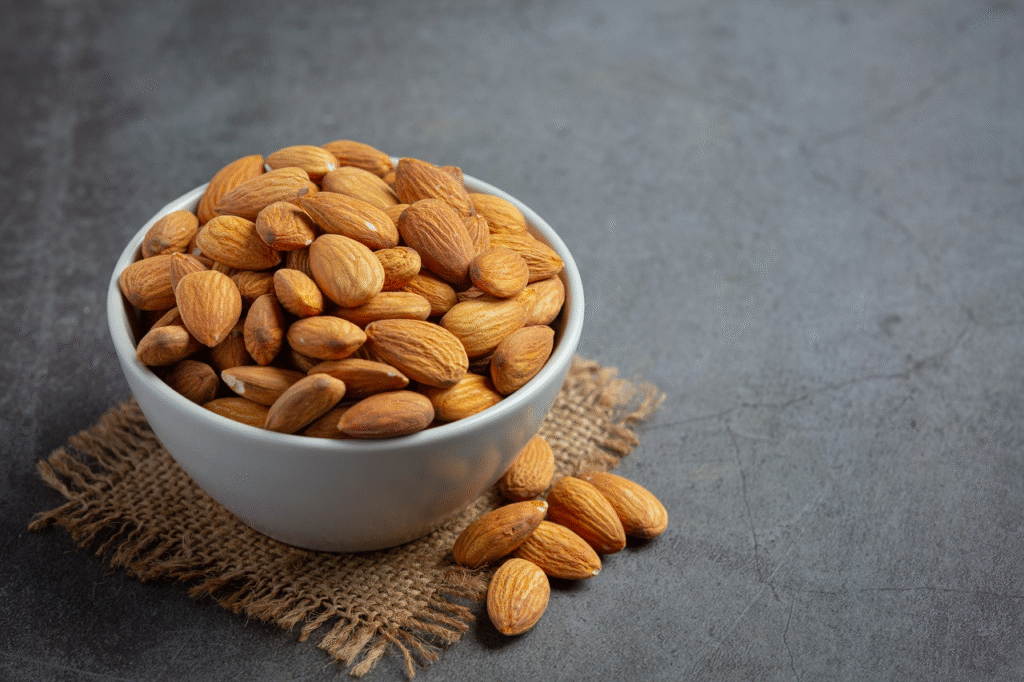
Almonds serve as the ultimate desk-drawer savior for days when afternoon meetings drag on or traffic delays dinner. They are loaded with healthy monounsaturated fats, plant protein, and dietary fiber, alongside a heavy dose of magnesium—a mineral involved in hundreds of bodily processes, including turning sugar into physical energy. Keeping a small glass jar of raw or roasted almonds on your desk gives you an instant 3:00 PM snack alongside an apple or an orange.
6. Apples: Crisp, Portable, and Surprisingly Filling
Apples are crisp, portable, and surprisingly filling. An apple is one of the most practical pieces of fruit on the planet because it doesn’t get bruised in your bag like a peach, stays fresh in your fridge for weeks, and offers a crisp crunch that feels genuinely satisfying when you’re stressed. Apples provide natural fructose for a gentle mood lift, paired with pectin, a soluble fiber that forces your body to digest slowly and prevents sudden sugar spikes. Slicing up a tart apple and dipping the slices directly into peanut or almond butter satisfies sweet, salty, and crunchy cravings all at once.
7. Spinach: The Low-Key Oxygen Booster
Spinach works as a low-key oxygen booster that builds long-term, foundational stamina rather than a sudden jolt like a double espresso. Spinach is packed with plant-based iron, which is critical because it helps your red blood cells create hemoglobin to transport oxygen from your lungs to your brain and muscles. When your iron levels drop, fatigue is usually the very first symptom. If you hate raw salads, you can easily throw a handful of spinach into scrambled eggs, wilt it into hot pasta sauce, stir it into soup, or blend it into a fruit smoothie without affecting the flavor at all.
8. Sweet Potatoes: Comfort Food That Works for You
Sweet potatoes are comfort food that actually works for you, giving you that rare quality of feeling like an indulgent treat while serving as a slow-burning carbohydrate source. They are loaded with complex starches, fiber, potassium, and Vitamin A, which your stomach breaks down slowly to give you a smooth energy curve rather than a roller coaster. You can chop them into cubes, toss with olive oil, salt, garlic powder, and paprika, roast them until crispy, and keep them stored in the fridge to toss into grain bowls or serve alongside eggs.
9. Lentils: The Budget Fuel No One Talks About
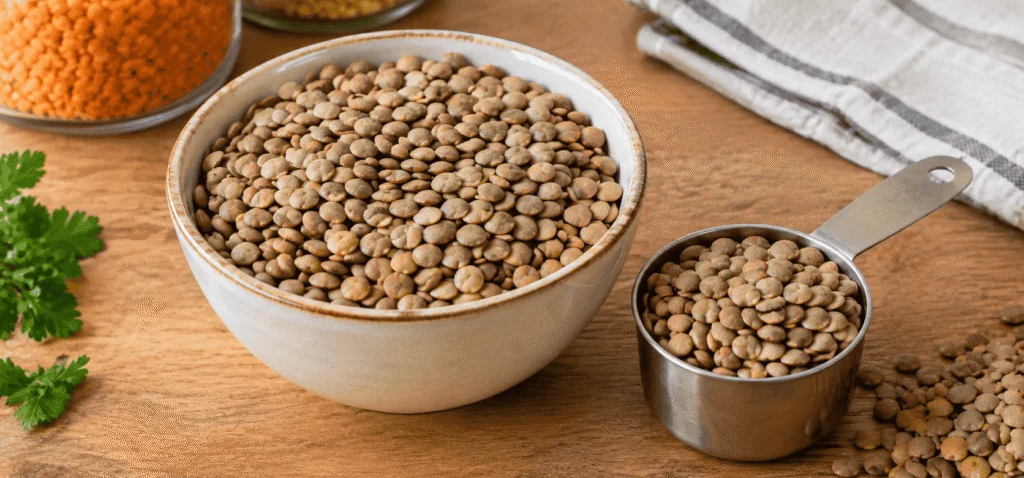
Lentils are the budget fuel no one talks about, serving as a staple in some of the healthiest, longest-living communities across the globe because they are cheap, shelf-stable, and deeply nourishing. Lentils deliver a powerful mix of complex carbs, plant protein, iron, and massive amounts of dietary fiber, with a single cup of cooked lentils providing roughly 15 grams of fiber to keep your gut happy and your energy stable. A warm bowl of lentil dal with rice and a spoonful of yogurt makes one of the most comforting, energizing dinners you can prepare after a demanding day.
10. Brown Rice: The Slow-Burn Base
Brown rice provides a slow-burn base compared to white rice, where the outer hull has been milled off and digests into sugar fairly quickly. Brown rice keeps its outer bran layer and germ intact, providing extra fiber, B-vitamins, and minerals like manganese that keep your blood sugar steady for hours after dinner. Instead of eating plain brown rice, you can build a balanced grain bowl by topping brown rice with black beans or grilled protein, roasted veggies, and a simple salsa or tahini dressing.
11. Avocado: The Digestion Brake Pedal
Avocado functions as a natural digestion brake pedal for your stomach. Avocados are unique among fruits because, instead of being full of natural sugars, they are loaded with heart-healthy monounsaturated fats and fiber. Because fats take longer to digest than almost anything else you eat, adding avocado to a meal ensures that the carbohydrates you eat alongside it enter your bloodstream gradually. Mashing half an avocado onto whole-grain sourdough toast with sea salt, black pepper, lemon juice, and a poached egg creates a perfectly balanced meal.
12. Berries: Pure Sweetness Without the Regret
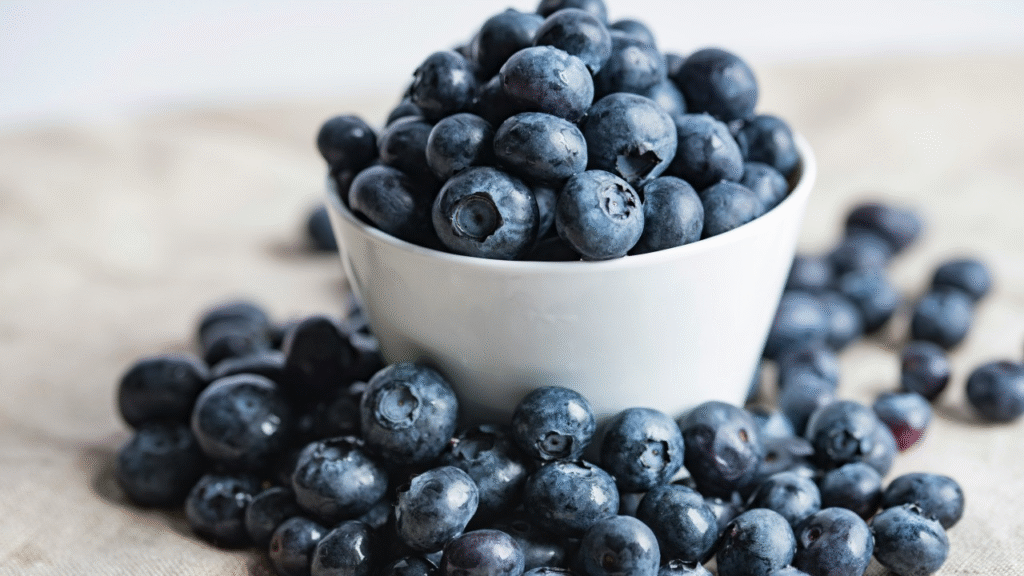
Berries provide pure sweetness without the regret when your brain craves something sweet after dinner, preventing the late-night sugar crash that disrupts your sleep quality. Blueberries, strawberries, and raspberries are naturally sweet but relatively low in sugar, while being packed with water, fiber, and protective antioxidants. Keeping a bag of frozen berries in your freezer allows you to microwave a cup for 30 seconds until warm and juicy, then pour them over cold Greek yogurt for an effortless dessert.
13. Chia Seeds: Tiny Seeds, Big Impact
Chia seeds prove that tiny seeds can have a massive impact. Ancient Aztec warriors historically carried small pouches of them on long journeys for sustained stamina because chia seeds absorb liquid and swell up into a gel. They are packed with soluble fiber, plant-based omega-3 fats, and protein, helping keep you hydrated while slowing down digestion. Stirring two tablespoons of chia seeds into half a cup of milk with a drop of vanilla extract and maple syrup in a jar overnight creates a rich chia pudding ready for breakfast.
14. Salmon: Real Brain Fuel for Long Days
Salmon is real brain fuel for long days, especially if you often feel foggy or unmotivated right after lunch. A heavy, greasy lunch sends all your blood flow straight to your gut to digest heavy fats, leaving your brain starved for quick fuel. Salmon gives you a light yet filling option packed with high-quality protein and omega-3 fatty acids that nourish brain cells, help lower inflammation, and keep your mind sharp without making you feel heavy. Baking a fillet with olive oil, salt, pepper, and lemon juice for 12 minutes gives you a clean protein to serve over brown rice and greens.
15. Dark Chocolate: Because Life Should Taste Good

Dark chocolate reminds us that life should taste good, because nobody stays on a healthy path if they feel restricted all the time. Dark chocolate that is 70% cocoa or higher contains natural flavonoids, a tiny bit of caffeine, and a compound called theobromine, which together gently support blood flow to your brain, elevate your mood, and sharpen your focus. Keeping a bar in your cupboard and breaking off two squares to enjoy slowly after lunch satisfies your sweet tooth without triggering a blood sugar spiral.
Two Things Most People Get Wrong
Even if you eat all these foods, ignoring two fundamental daily habits will still leave you feeling exhausted:
- Hydration First: You might simply be dehydrated, as even mild dehydration causes brain fog, fatigue, headaches, and low mood by dropping your blood volume slightly and forcing your heart to work harder. Drinking a large glass of plain water should always be your first move before reaching for a snack or coffee.
- Caffeine Timing: How you drink coffee matters immensely because caffeine doesn’t actually create energy; it merely blocks adenosine, the natural chemical that builds up in your head to tell you to rest. Waiting 60 to 90 minutes after waking up before your first cup allows your body to clear out lingering adenosine naturally, and cutting off caffeine by 2:00 PM ensures it won’t disrupt your deep, restorative sleep phases at night.
Simple Everyday Pairings

Building simple everyday pairings makes eating for energy completely brainless when you’re hungry right now:
- Mid-Afternoon Reset: A crisp apple + 2 tbsp peanut butter
- Fast Morning: Plain Greek yogurt + blueberries + chia seeds
- Savory Snack: Hard-boiled eggs + whole-grain toast
- Desktop Grab: A banana + a small handful of almonds
- Late Night Treat: Dark chocolate + walnuts
You don’t need to be perfect to feel good or start an aggressive diet today. Small, comfortable choices win over extreme diets every single time—just listen to your body, give it real fuel, and enjoy feeling like yourself again.
Frequently Asked Questions
Q: Why do I always hit a massive, soul-crushing wall of exhaustion around 3:00 PM every single workday?
A: It’s almost always a classic blood sugar nose-dive caused by a heavy, carb-loaded lunch—your stomach digests those simple sugars way too fast, leaving your brain completely stranded in the fog an hour later.
Q: Should I just completely cut out carbs to finally stop feeling like a sluggish zombie?
A: Please don’t! Your brain actually runs on carbohydrates for basic survival, so the trick isn’t ditching them entirely—it’s just tossing a little protein or healthy fat alongside them to slow things down.
Q: Is grabbing a second or third coffee in the afternoon actually destroying my energy levels?
A: Honestly, yes. Caffeine doesn’t create real energy; it just temporarily mutes your brain’s tiredness signals, and late-afternoon cups ruin your deep sleep so you wake up even more exhausted tomorrow.
Q: Do I really need to buy those crazy expensive super-food powders to fix my constant fatigue?
A: Not a chance—save your money. Humble kitchen staples like eggs, bananas, oats, and peanut butter give you far better, longer-lasting stamina than any trendy $80 powder ever will.
Q: What’s the fastest, absolute easiest thing I can do right this second to wake my brain up?
A: Go chug a huge glass of cold water first (dehydration is sneaky!), then grab a fast, satisfying pairing like an apple smeared with peanut butter or a handful of roasted almonds.

Modern Minimalist Furniture: Transform Your Home with Simple Designs
A home does not need to be packed with furniture to look beautiful. Sometimes, the…

Personal Finance Basics: A Simple Guide to Managing Money
Money is one of those things we deal with every single day, but somehow, nobody…

15 Ways Chronic Stress Can Affect Your Well-Being
Stress has a funny way of becoming part of our routine without us even noticing…
15 Foods That Can Help Boost Your Energy Naturally
It is 2:45 on a Tuesday afternoon. You woke up early, drank your morning coffee,…