
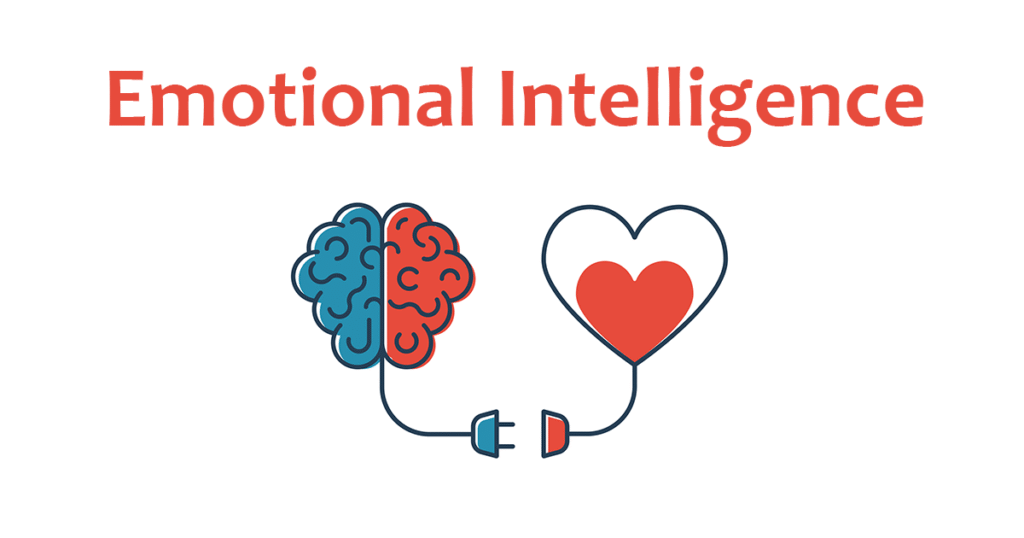
Look, let’s stop talking like a self-help book for a second and just talk like two real people.We’ve all had those moments where we absolutely lose our cool. You get a passive-aggressive message from a coworker at 4:55 PM, your stomach drops, your blood boils, and before you even think, you’re slamming your keyboard to type out a toxic reply. Or maybe you walk through the front door after an exhausting day, your partner asks a simple question like, “What’s for dinner?”, and you snap at them like they just insulted your entire family. This is where emotional intelligence really matters—it helps you recognize what’s happening inside you before that emotional reaction takes over.
That is your brain running on pure, unfiltered instinct. It’s what happens when you’re living on emotional autopilot.
Living like that is downright exhausting. When you let every random bad mood, traffic jam, or snide comment pull your strings, you aren’t actually driving your own life—you’re just along for the ride. Building your Emotional Quotient (EQ) isn’t about slapping on a fake smile, pretending everything is fine, or acting like a saint. It’s literally just getting smart enough to read your own internal radar, stopping yourself from blowing up your life when you get triggered, and figuring out how to deal with human beings without losing your mind.
What EQ Actually Means (Minus the Boring Jargon)

Forget the dry textbook definitions. Emotional intelligence is basically your mental OS for managing your inner world and surviving social dynamics. It comes down to four core things:
- Self-Awareness:
Realizing what’s going on inside your body and mind before you make a fool of yourself. It’s having the clarity to think, “Wait, I’m not actually furious at my partner; I’m just terrified about my bank account.” - Self-Management:
Putting a circuit breaker between feeling an urge and actually acting on it. It’s the raw discipline that keeps you from hitting “send” on an email that could get you fired, or dumping your bad mood on someone who doesn’t deserve it. - Social Awareness:
Developing a baseline antenna for the people around you. It’s picking up on the fact that your friend’s laugh sounds forced, or sensing that a meeting has suddenly turned tense because everyone feels attacked. - Relationship Management:
Knowing how to work through ugly disagreements without completely burning the bridge down. It’s learning how to clear the air, stand up for yourself, and keep your connections tight.
The Wild Part: Your Brain Can Actually Change
Here’s the best news you’ll hear today: you aren’t stuck with your short temper, your bad habit of shutting down, or your tendency to overthink. You aren’t “just built this way.”
Your brain is constantly molding itself around whatever habits you repeat. Think of your automatic reactions like a well-worn path through a thick forest. Every time you get stressed, your brain sprints down that same old dirt path of yelling, panicking, or hiding.
But the very second you catch yourself, take a deep breath, and choose not to react, you hack down a few bushes to clear a brand-new path. Do that twenty times, and that new, calm route becomes an actual trail. Do it a hundred times, and the old reactive path gets completely overgrown and forgotten. You are physically rebuilding your own brain circuitry.
10 Real-World Habits to Level Up Your EQ

If you want to actually get better at this, skip the grand theories. Just start weaving these small, zero-BS habits into your messy daily life.
- 1. Shut up and actually listen. Stop planning your brilliant comeback while the other person is still talking. Just shut your inner monologue down and listen to what they’re really trying to say. If you want to instantly diffuse an argument, repeat their core point back to them: “So if I’m hearing you right, you felt totally abandoned when I didn’t show up?” Watch how fast their guard drops.
- 2. Read the vibe before you open your mouth. Before you charge into a room to dump your agenda on people, pause for ten seconds. Look at their body language. Are they tired? Stressed? Staring blankly at their screens? Match your energy to the room instead of steamrolling through it.
- 3. Speak up without being a jerk or a doormat. Passive people swallow their feelings until they explode. Aggressive people just push everyone around. Aim for the middle. Say what you need directly, calmly, and clearly, without pointing fingers: “I’m totally overloaded today, so I can’t take on this extra file right now.”
- 4. Take the mandatory 3-second breath. When a wave of pure frustration hits, your heart rate spikes and your logical brain basically turns off. Force yourself to pause for three seconds. Take one deep, ugly breath right into your belly. That tiny gap gives your rational mind time to wake up and take back the wheel.
- 5. Fix your defensive body language. We talk with our bodies long before we speak. If you’re standing there with your arms tightly crossed, rolling your eyes, or checking your phone every 5 seconds, you’re sending a giant signal that says “I don’t care.” Uncross your arms, turn your torso toward the person, and look them in the eye.
- 6. Ask someone to call out your blind spots. We all have toxic habits we are totally blind to. Find a friend or coworker who won’t lie to you and ask: “What’s one thing I do when I get stressed that makes things harder for everyone else?” The key? Shut your mouth and accept the feedback without making excuses.
- 7. Change your harsh inner voice. The way you talk to yourself after you mess up dictates how long you stay down. If you drop the ball, stop telling yourself “I’m such an idiot.” Swap it for: “Alright, I blew that. What do I need to do to fix it, and how do I avoid doing it next time?”
- 8. Fix your physical foundation. You can’t separate your mood from your physical body. If you’re sleeping four hours a night, surviving on energy drinks, and staring at screens for 14 hours straight, your nervous system is already hanging by a thread. Drink some water, go for a walk, and get some sleep.
- 9. Tune into your physical body. Your body knows you’re stressed long before your brain admits it. Notice where you hold it: Is your jaw clenched? Are your shoulders up by your ears? Is your stomach in a knot? Spotting those physical signs early lets you take a breather before you snap.
- 10. Get curious instead of furious. When someone acts rude, flippant, or aggressive, your first thought is usually “What a jerk.” Try swapping that judgment for genuine curiosity: “Man, what kind of awful stress or pressure are they under right now to make them act like that?” It shifts you instantly from anger to empathy.
High EQ vs. Low EQ (How It Looks Out in the Wild)
                        REAL-WORLD COMPARISON

   Scenario               Low EQ Reaction         High EQ Response
  ─────────────────────── ─────────────────────── ─────────────────────
   Getting Criticized     ► Defend, make excuses,  ► Pause, listen, and
                            or attack back.          take ownership.

   Plans Fall Apart       ► Panic, blame others,   ► Adapt, roll with
                            or throw a fit.          it, focus on next.

   Big Disagreement       ► Try to "win" at all    ► Try to understand
                            costs.                   and fix the issue.

   High-Stress Moment     ► Snap at innocent       ► Name the stress and
                            people around you.       take a breath.
3 Small Things You Can Do Today

- The Daily Check-in: Once today, stop what you’re doing, drop your shoulders, relax your jaw, and ask: “What am I actually feeling right now?”
- Name the feeling specifically: Stop saying “I’m just stressed.” Be precise. Are you overwhelmed? Embarrassed? Insecure? Ignored? Giving it an exact name takes away its power.
- Put the phone completely out of sight: In your next conversation with someone you care about, put your phone face down in another room. Give them your actual, undivided presence. You’ll be amazed at how different the connection feels.
FAQs
Q: How do I know if I actually have low EQ?
If you constantly snap, feel totally misunderstood, or wonder why small spats keep exploding, your internal emotional radar is likely glitching.
Q: Can a hot-tempered person actually change?
For sure. Your brain literally rewires around your habits, so catching yourself before you explode physically breaks the habit over time.
Q: Does high EQ mean being a pushover?
Hell no. It’s not about playing nice; it’s about shutting down nonsense and holding firm boundaries without throwing a public tantrum.
Q: What’s the fastest way to cool off when triggered?
Unclench your jaw, drop your shoulders, and take one deep belly breath to trick your panicked brain into realizing nobody is dying.
Q: Is EQ actually better for my career than IQ?
Raw brainpower lands the job, but knowing how to talk to humans without burning bridges is what actually keeps you from getting fired.
Why Continuous Learning Matters: A Practical Guide to Lifelong Growth
Why Continuous Learning Matters: Imagine stepping back into a classroom…
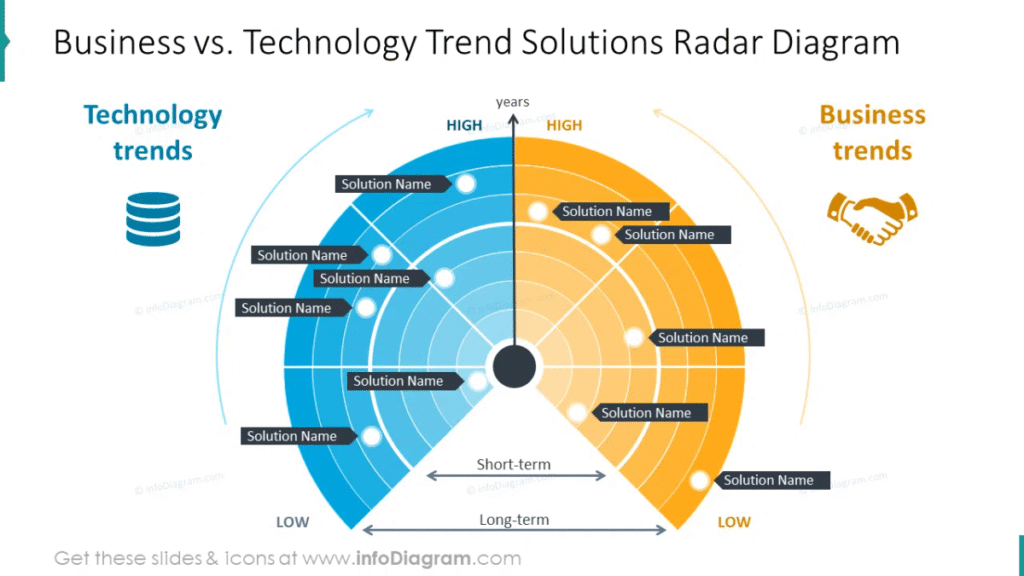
What Is a Trend Radar? A Simple Guide for Beginners
In today’s fast-moving world, new trends come and go faster…

Smart Money Moves: 10 Habits That Make You Rich Faster
Building wealth isn’t only about earning more. It’s about making…

Smart Home on a Budget: Affordable Ways to Automate Your Home
Let’s be real for a minute. Half of what gets…

Smart Digital Habits: Transform Your Online Life in 2025
In 2025, digital life is not just a part of…
Simple Budgeting Strategies to Save Money and Reach Your Financial Goals
Standard financial advice can feel pretty cold. Textbooks love dry…