
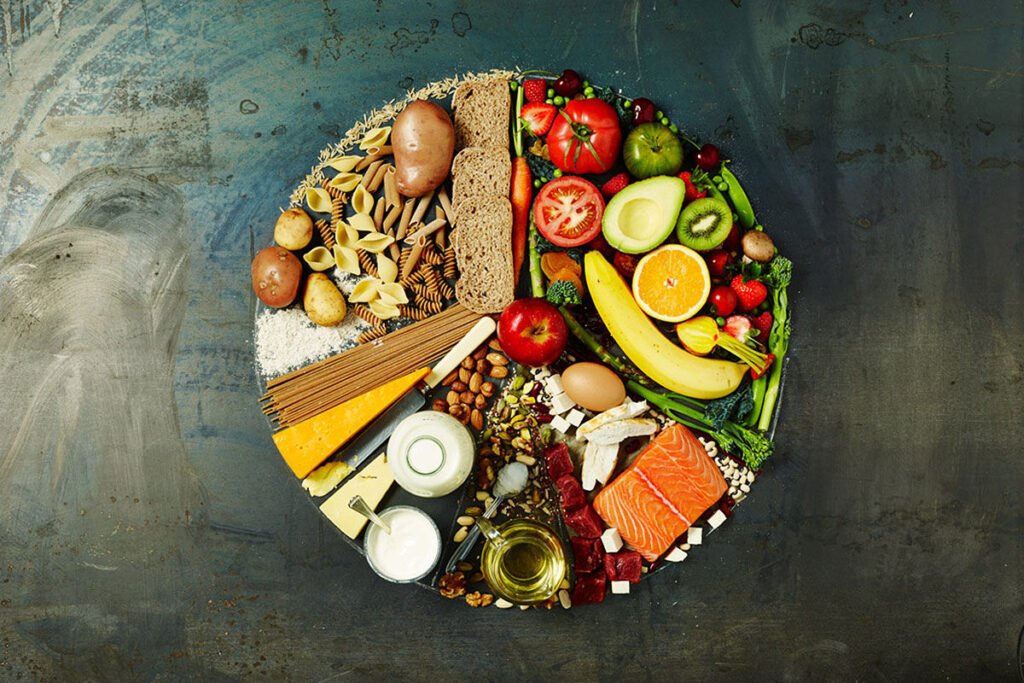
In today’s fast-paced world, modern eating habits are evolving rapidly as people become more conscious of their health, lifestyle, and overall well-being. Food is no longer just about satisfying hunger—it has become a powerful tool for improving physical fitness, mental clarity, immunity, and long-term health. With rising awareness about nutrition, sustainability, and mindful living, healthy food trends are shaping the way we eat every day.
1. Shift Toward Whole & Natural Foods
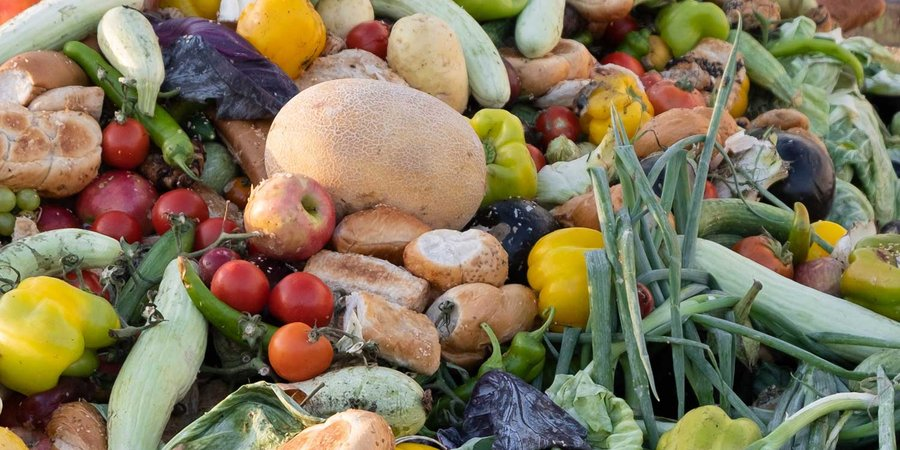
One of the biggest changes in modern eating habits is the preference for whole, unprocessed foods. People are choosing fresh fruits, vegetables, whole grains, nuts, seeds, and legumes over packaged and heavily processed items. These foods are rich in essential nutrients, fiber, antioxidants, and healthy fats that support digestion, heart health, and energy levels.
2. Plant-Based & Flexitarian Diets
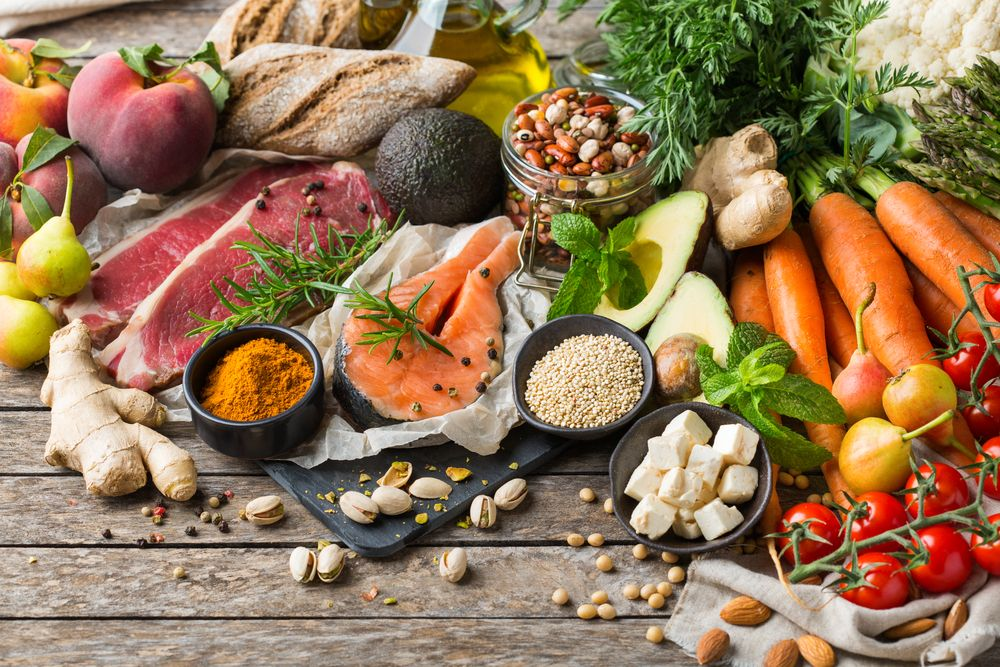
Plant-based eating is no longer a niche trend—it’s a global movement. Many individuals are adopting vegetarian, vegan, or flexitarian diets, reducing meat consumption while increasing plant foods. This approach not only benefits personal health by lowering cholesterol and improving gut health but also supports environmental sustainability.
3. Focus on Gut Health

Modern nutrition strongly emphasizes gut health, recognizing its role in immunity and mental well-being. Fermented foods like yogurt, kefir, kimchi, sauerkraut, and kombucha are gaining popularity for their probiotic benefits. A healthy gut helps improve digestion, nutrient absorption, and even mood balance.
4. Mindful Eating Practices
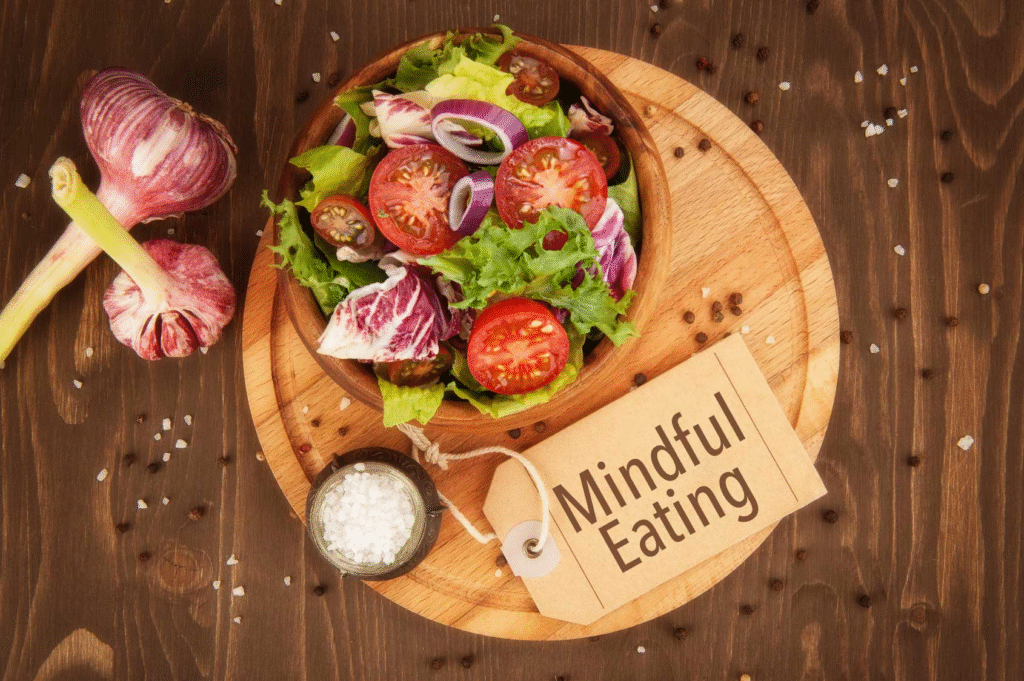
Busy lifestyles often lead to overeating or unhealthy food choices. Modern eating habits encourage mindful eating, which means paying attention to portion sizes, hunger cues, and eating without distractions. This practice helps prevent emotional eating, improves digestion, and builds a healthier relationship with food.
5. Personalized Nutrition

With the rise of technology and health awareness, people are turning toward personalized diets based on age, body type, fitness goals, allergies, and lifestyle. From calorie tracking apps to DNA-based nutrition plans, eating habits are becoming more customized to individual needs.
6. Superfoods & Functional Foods
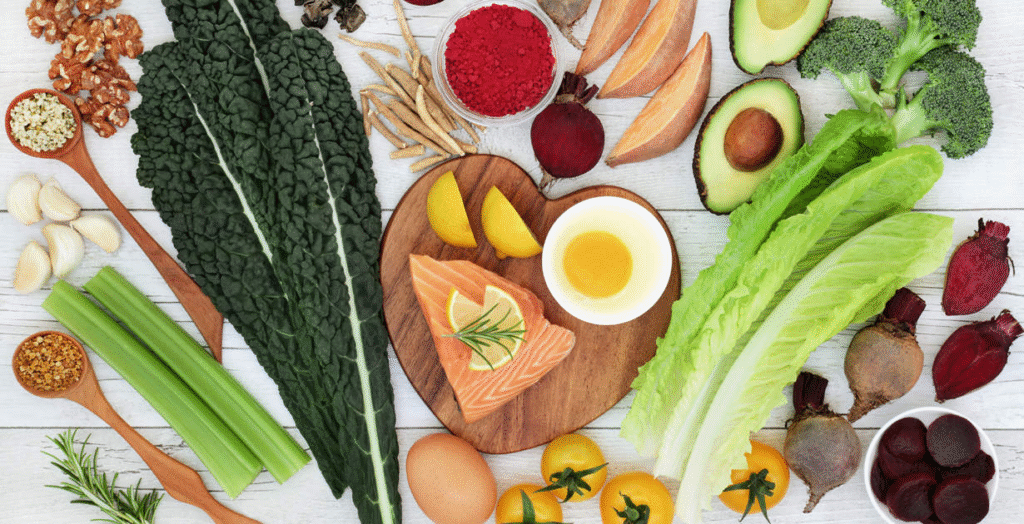
Superfoods like chia seeds, quinoa, berries, turmeric, avocado, and leafy greens are now common in modern diets. These nutrient-dense foods provide added health benefits such as improved immunity, better metabolism, and reduced inflammation. Functional foods fortified with vitamins, minerals, and proteins are also trending.
7. Balanced Lifestyle Over Strict Dieting
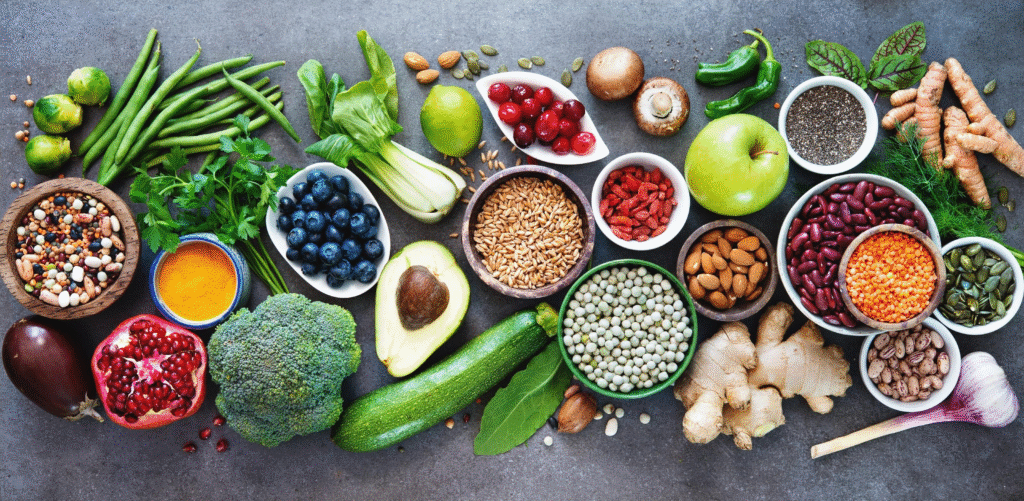
Instead of extreme dieting, modern eating habits promote balance and sustainability. People are focusing on long-term healthy routines rather than short-term weight loss. Occasional indulgence combined with nutritious meals helps maintain consistency and mental satisfaction.
Modern eating habits reflect a smarter, more balanced approach to food—one that prioritizes health, awareness, and sustainability. By choosing nutritious ingredients, practicing mindful eating, and following trends that support overall well-being, individuals can build a healthier lifestyle and enjoy a better quality of life. Small, consistent changes in daily eating habits can lead to long-term benefits for both body and mind.
This content is for informational purposes only and should not be considered medical or nutritional advice. Dietary needs vary from person to person. Always consult a qualified healthcare professional or nutritionist before making significant changes to your diet.
#ModernEatingHabits #HealthyFoodTrends #Carrerbook #Anslation #CleanEating #MindfulEating #BalancedDiet #HealthyLifestyle #NutritionAwareness #WellnessJourney #EatHealthyLiveWell