

Food is changing faster today than ever before. From lab-grown meat to AI-powered nutrition, the way we eat is shifting because of technology, busy lifestyles, global trends, and rising health awareness. The “future of food” isn’t just about what’s on our plate—it’s about how our food is grown, prepared, delivered, and consumed. This new age of modern eating brings new possibilities, new habits, and new concerns.
Below is a deep, detailed breakdown of how food is evolving and what the future of eating really looks like.
1. Rise of Technology in Food Production
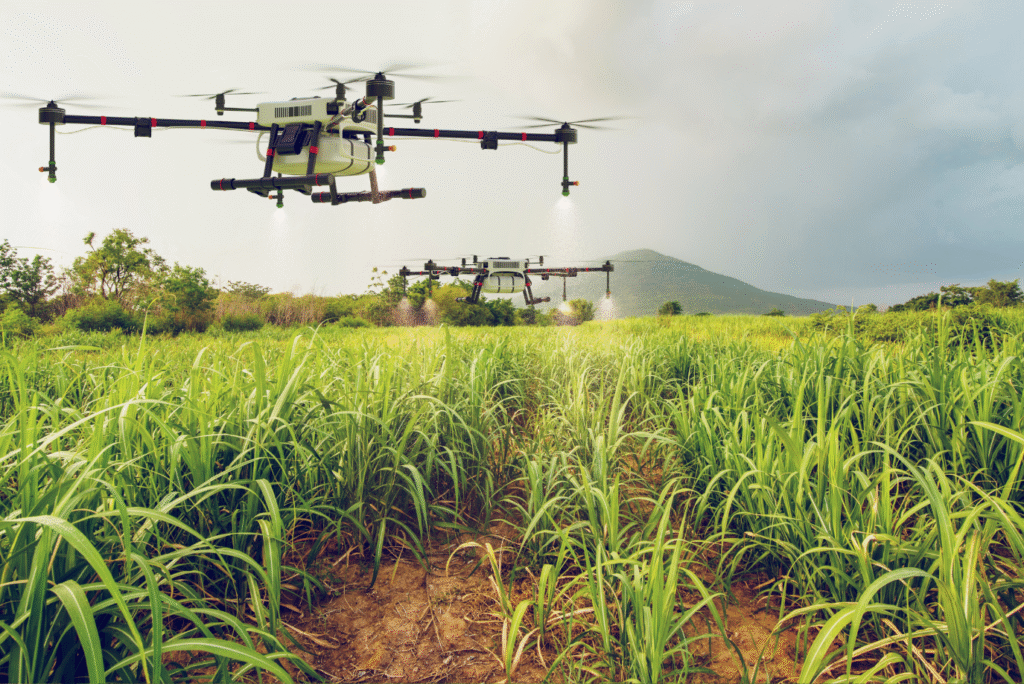
Technology has entered farms, kitchens, and even dining tables. Today’s food isn’t just grown traditionally—it’s engineered, optimized, and monitored using smart tools.
Key Developments:
- Smart farming: AI, drones, and sensors help farmers monitor soil, predict weather, and improve crop quality with minimal waste.
- Vertical farming: Growing crops in stacked layers inside buildings to save space and water.
- Lab-grown meat: Also known as cultivated meat, it’s created using real animal cells without raising or slaughtering animals.
- Robotic cooking: Fully automated kitchens that can prepare restaurant-quality meals.
Why it matters:
Technology helps produce more food with fewer resources, reduces environmental damage, and ensures consistent quality.
2. Shift Toward Health-Focused Eating
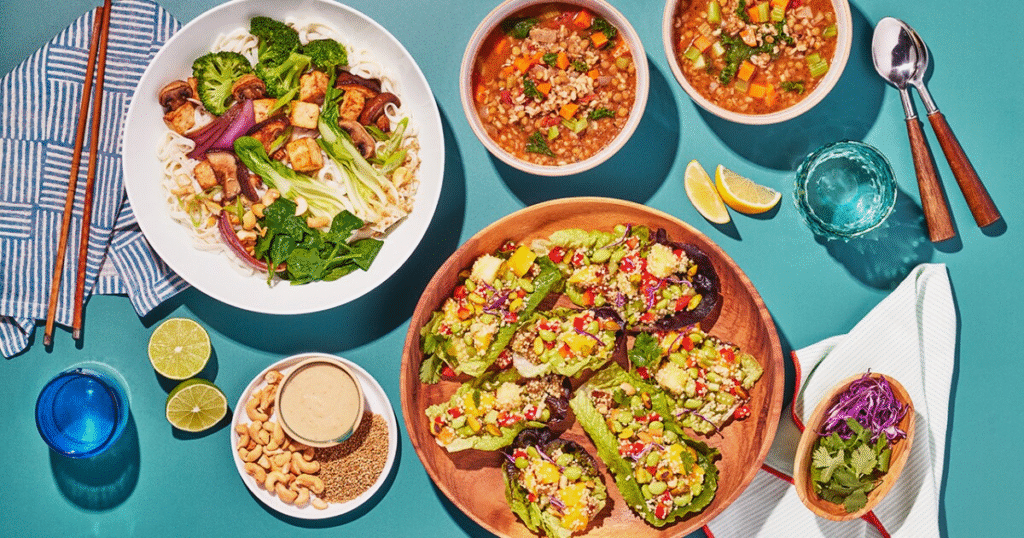
Modern eaters are more health-aware. They want food that keeps them energized, supports immunity, and fits into their fitness routine.
Popular Modern Eating Trends:
- High-protein diets: Whey, tofu, paneer, lentils, and protein shakes are becoming a daily habit.
- Plant-based diets: More people are reducing meat for ethical and health reasons.
- Low-carb lifestyles: Keto, paleo, and intermittent fasting are part of modern choices.
- Gut health foods: Probiotics, kombucha, greek yogurt, fermented foods are growing in popularity.
- Superfoods: Quinoa, chia seeds, avocados, berries, and matcha are considered nutrition powerhouses.
Why it matters:
People want to eat food that supports long-term health, reduces diseases, and boosts overall wellness.
3. Convenience & Ready-to-Eat Culture
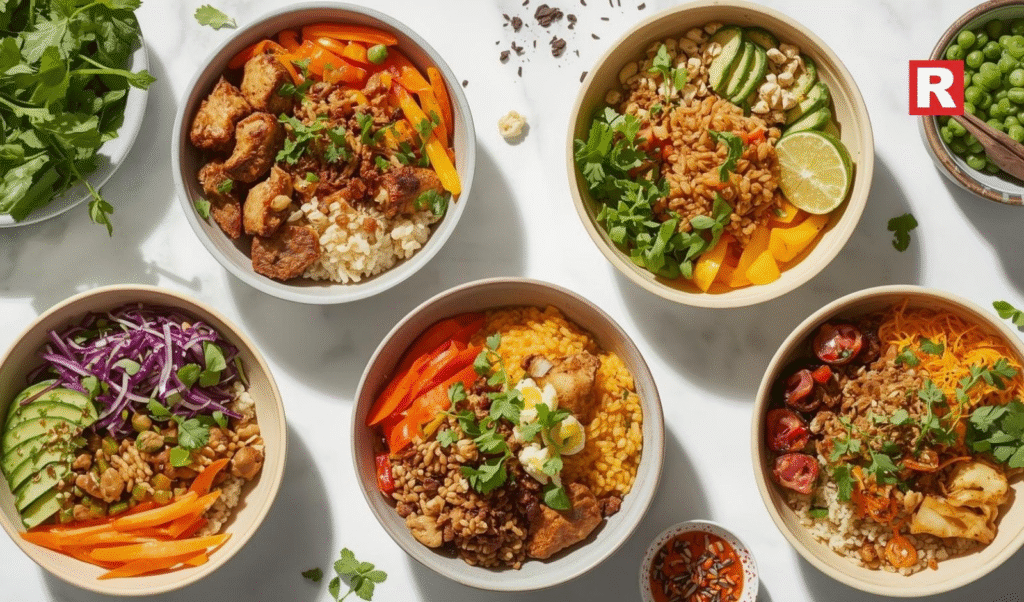
Today’s fast-paced lifestyle has created a huge demand for convenience-based food.
Common Examples:
- Ready-to-eat bowls
- Frozen meals
- Instant noodles
- Meal replacement shakes
- Pre-cut vegetables & salad kits
- Cloud kitchen deliveries
Why it matters:
Modern life leaves less time for cooking. People want quick meals that taste good and require minimal effort.
4. Influence of Social Media & Digital Trends
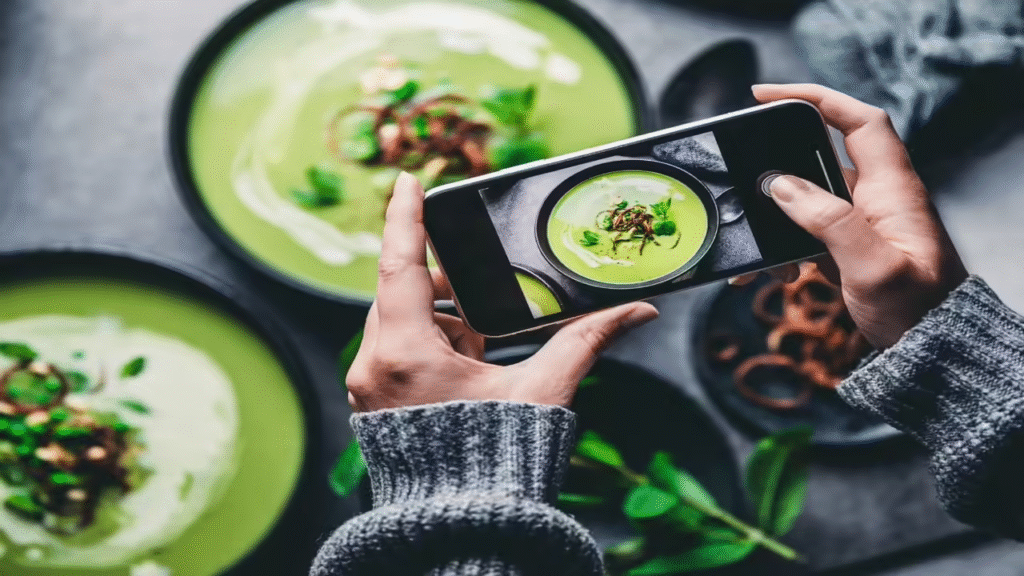
Instagram, YouTube, and TikTok have changed how people discover and consume food.
How digital platforms shape modern eating:
- Viral food hacks make people try new dishes at home.
- Influencers promote healthy recipes, diet plans, and food challenges.
- Aesthetic food photography makes certain dishes trend overnight.
- Global food culture spreads faster, bringing Korean, Japanese, Italian, and Mexican food trends to every city.
Why it matters:
Food trends are no longer slow—they spread worldwide in minutes.
5. Sustainable Eating: The Future Priority
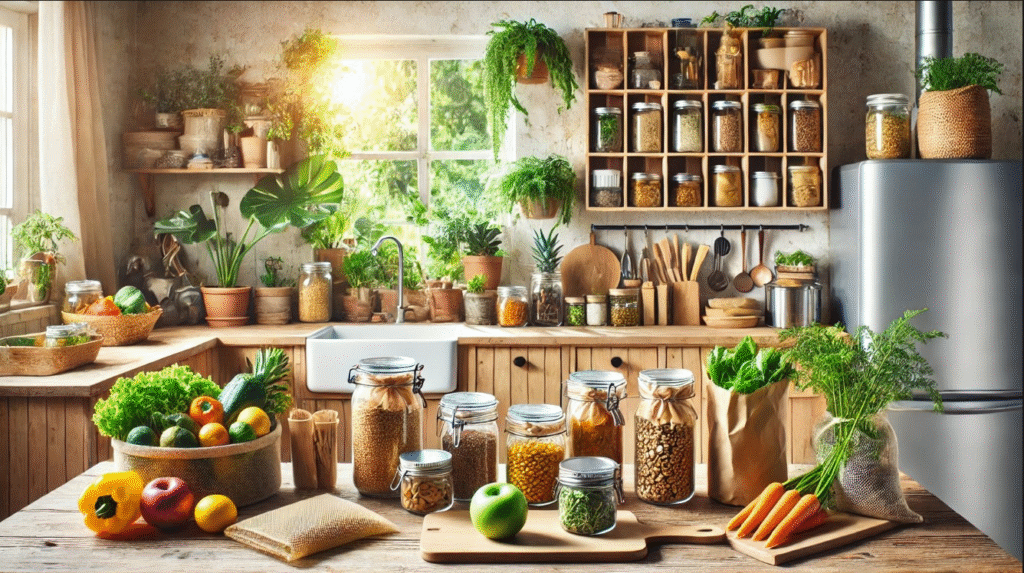
Climate concerns are pushing people to think about where their food comes from.
Sustainability trends include:
- Eating local produce
- Reducing food waste
- Choosing plant-based meals
- Supporting eco-friendly brands
- Using reusable packaging
Why it matters:
People care about eating in a way that protects the planet and future generations.
6. Personalised Nutrition Powered by AI
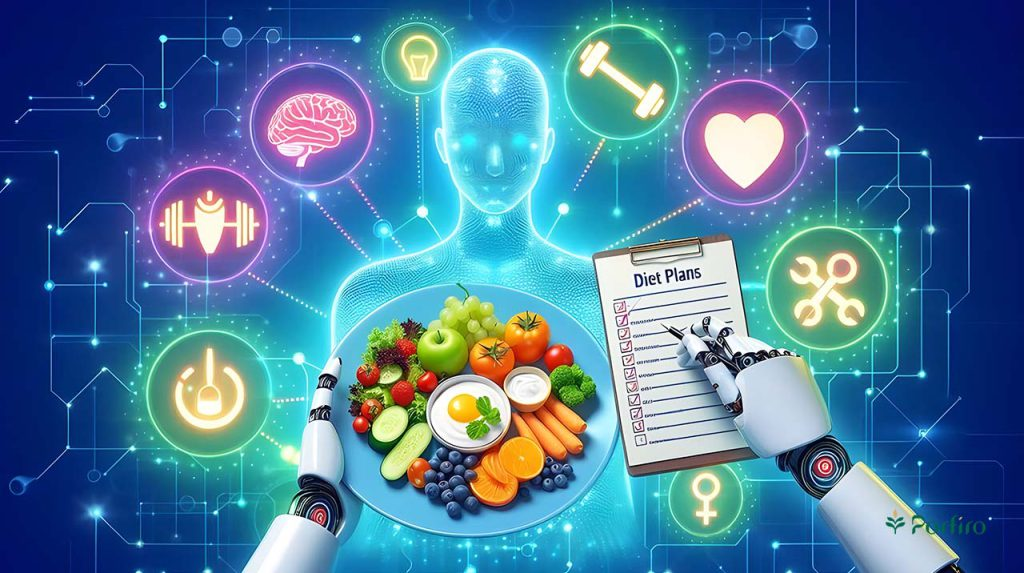
The next age of food will be customized for each person.
How AI is changing nutrition:
- Apps calculate macro and micronutrients.
- Smartwatches track calories, heart rate, sleep, and metabolism.
- DNA-based diet plans suggest what’s best for your body type.
- AI chefs recommend meals based on your health, allergies, and goals.
Why it matters:
Food will no longer be one-size-fits-all. Every person will get diet plans made just for them.
7. Future Foods That Will Become Common
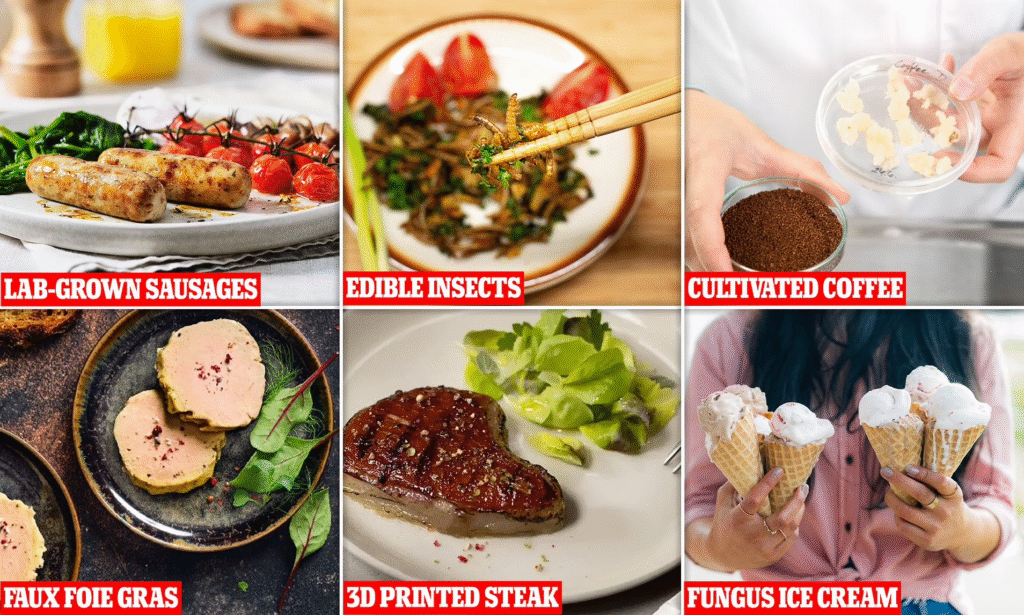
Modern food includes innovations that will soon become normal in households.
Examples:
- Lab-grown meat (ethical, clean, and eco-friendly)
- Edible insects (high protein, sustainable)
- 3D-printed food (shapes, flavors, and nutrition made by printers)
- Algae-based food (eco-friendly and nutrient-rich)
- Functional beverages (energy-boosting, stress-reducing, mood-enhancing drinks)
Why it matters:
These foods help solve global challenges like food shortages and climate impact.
8. The Future Restaurant Experience
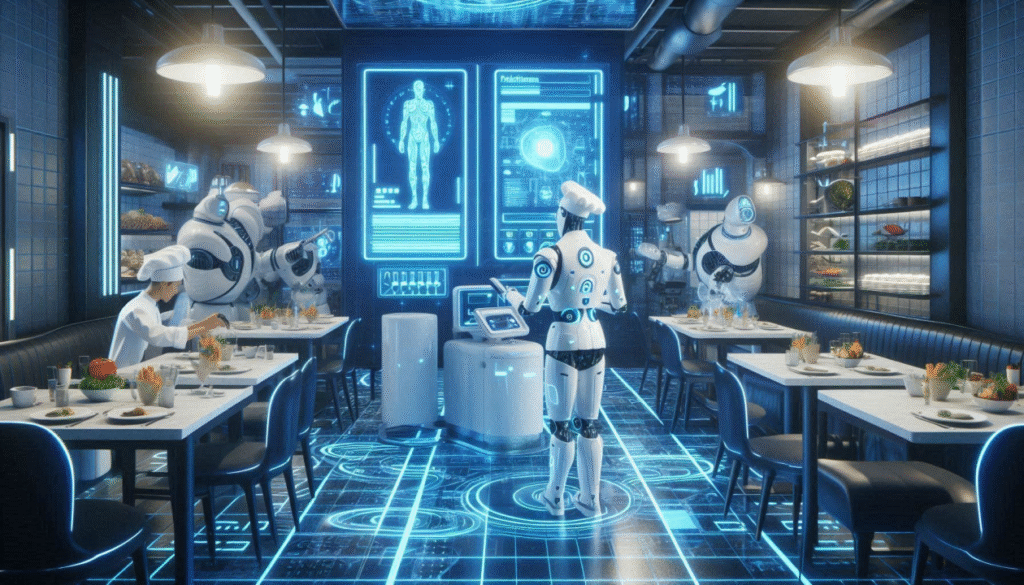
Restaurants are evolving to match modern eating habits.
What the future restaurants may look like:
- Fully automated kitchens
- AI-powered ordering
- Robot waiters
- Personalized menus based on your health data
- Zero-waste kitchens
- Virtual dining experiences
Why it matters:
Dining out will be efficient, immersive, and tailored for every customer.
The future of food is a blend of technology, health awareness, sustainability, and global influence. Modern eating is not just about what we enjoy—it’s about choosing foods that support our bodies, save our time, and protect the planet. As innovation continues, the way we eat will keep transforming, bringing convenience, efficiency, and better nutrition to our everyday lives.
This article is for informational purposes only. It does not replace medical advice, professional nutrition guidance, or personalized diet planning. Always consult a qualified expert before making major changes to your diet.
#ModernEating #FutureOfFood #FoodTrends #Carrerbook #Anslation #HealthyLiving #DietTrends #SustainableEating #FoodInnovation #EatSmart #HealthyChoices #FoodRevolution