
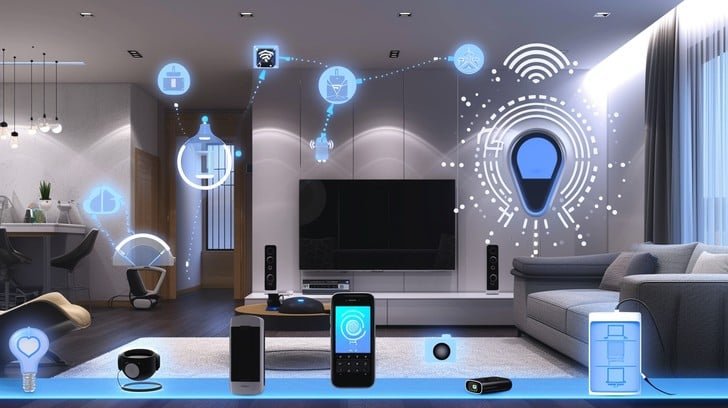
Technology is moving faster than ever, and it’s reshaping how we live, work, travel, and even think. Future living isn’t just about smart gadgets — it’s about a lifestyle where comfort, efficiency, sustainability, and innovation come together. Let’s explore how technology will transform your everyday life in the coming years.
1. Smart Homes Will Become the New Normal
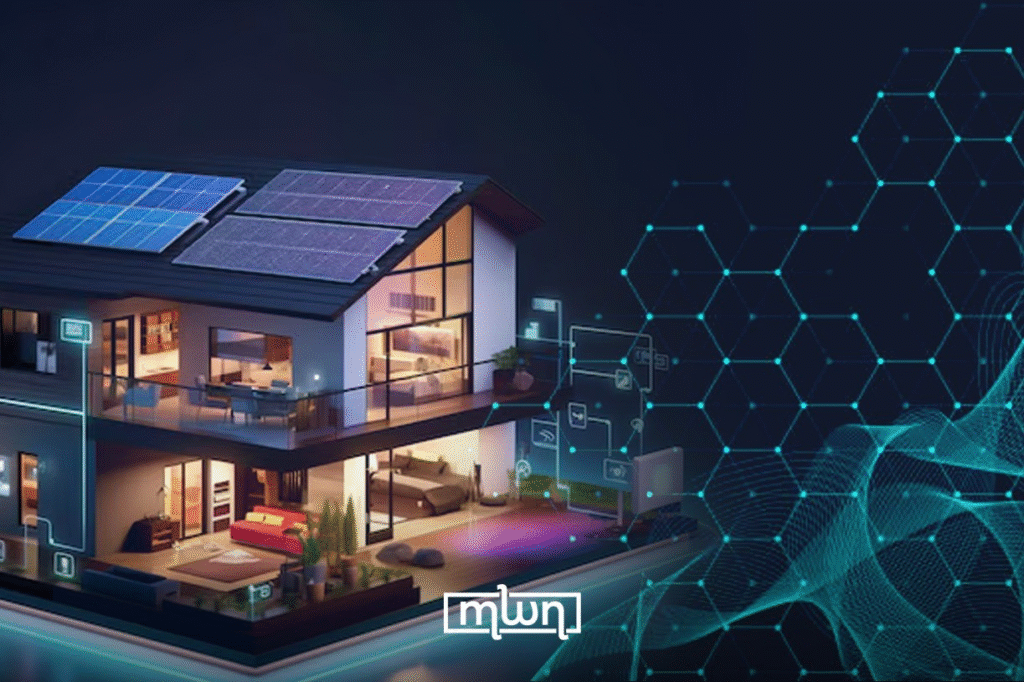
Imagine a home that understands your routine without you saying a word. Future homes will be designed to make daily tasks easier and save time.
What this will look like:
- AI-powered assistants will learn your habits — from when you wake up to how you like your room temperature.
- Smart lighting systems will adjust brightness automatically depending on mood, weather, and time of day.
- Security systems will use facial recognition, smart locks, and motion sensors to protect your home without manual effort.
- Kitchens will be automated, with smart fridges that track expiration dates, suggest recipes, and even order groceries on their own.
- Voice or gesture control will operate everything: fans, curtains, TVs, and even coffee machines.
A home will feel less like a building and more like a personal assistant that’s always working in the background.
2. Sustainable Living Will Be at the Heart of Future Lifestyles
Future living focuses heavily on the environment. Technologies will help people reduce waste, save energy, and live more responsibly.
Key changes ahead:
- Solar roofing tiles will provide clean power directly from sunlight.
- Smart meters will track how much energy you use and suggest ways to save it.
- Rainwater harvesting systems will be installed in most homes automatically.
- Zero-waste kitchens will encourage composting, recycling separation, and biodegradable materials.
- Electric vehicles (EVs) will replace petrol cars completely, supported by fast-charging networks.
Sustainable living won’t feel like a choice — it will become a natural part of future lifestyles.
3. Healthcare Will Become Personalized and Smart

Future technology will change not only how we live, but how we look after our health.
What’s coming:
- Wearable health trackers will monitor heart rate, stress levels, oxygen, sleep quality, and nutrition in real time.
- Smart mirrors will analyze your skin and health conditions instantly.
- AI doctors will detect diseases early using data from your smartwatch.
- Robotic surgeries will become safer and more accurate.
- Home health pods will allow mini checkups and diagnostics without visiting hospitals.
Healthcare will shift from “treating illness” to “preventing illness before it happens.”
4. Work and Education Will Become More Flexible
The future will bring a major shift in how and where people work and learn.
Here’s what to expect:
- Hybrid workspaces will blend office and home environments seamlessly.
- Virtual reality (VR) offices will let you collaborate with foreign teams as if they’re standing next to you.
- AI assistants will help schedule meetings, manage tasks, and handle repetitive work.
- Online education will become more immersive with VR classrooms, hologram teachers, and interactive learning modules.
This flexibility will help people balance life, work, and personal growth more easily.
5. Transportation Will Be Smarter and Faster
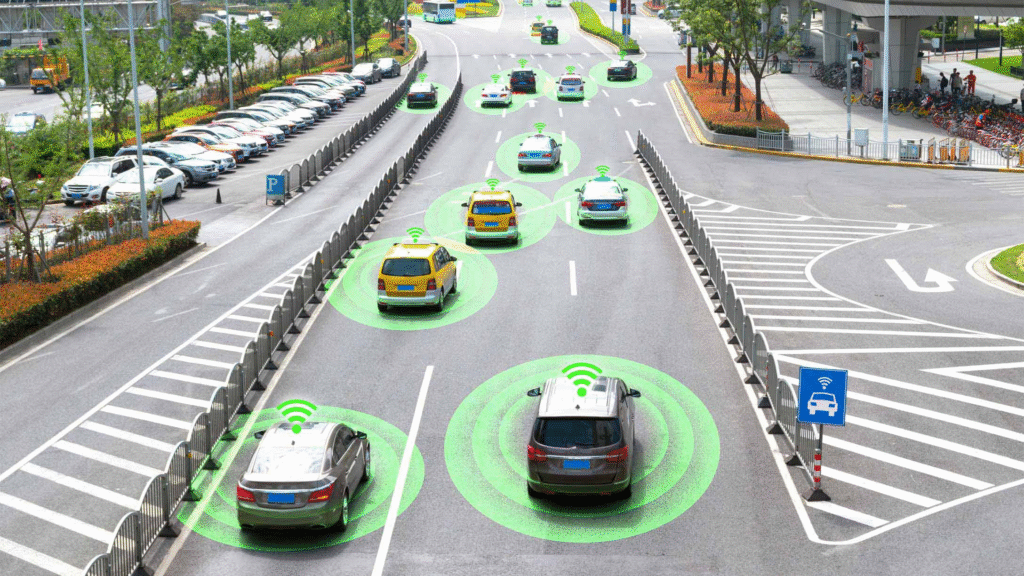
Traveling in the future will be cleaner, quicker, and easier.
Expected advancements:
- Self-driving cars will reduce accidents and stress from driving.
- Flying taxis will help avoid traffic in crowded cities.
- Hyperloop trains will reduce long journeys to minutes.
- Smart traffic systems will control signals based on real-time movement to reduce jams.
- Electric scooters and bikes will become common for short distances.
Cities will feel more connected and convenient.
6. Smart Cities Will Create More Organized Living
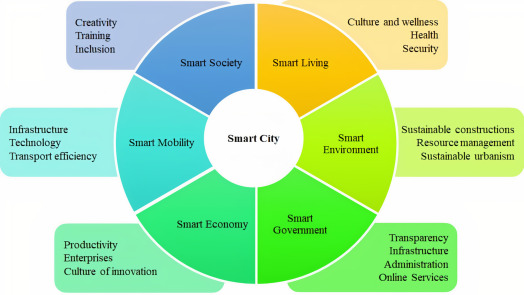
Future cities will use data and technology to offer cleaner, safer, and well-managed environments.
Some major features:
- Smart waste management with sensor-based bins that alert cleaning teams.
- Air-quality monitoring systems installed across cities.
- Energy-efficient buildings designed to reduce carbon footprints.
- Digital ID systems for faster access to services like hospitals, government offices, and banks.
- Automated public transport that runs smoothly without human drivers.
Smart cities will prioritize people’s comfort and environmental health.
7. Daily Tasks Will Become Fully Automated
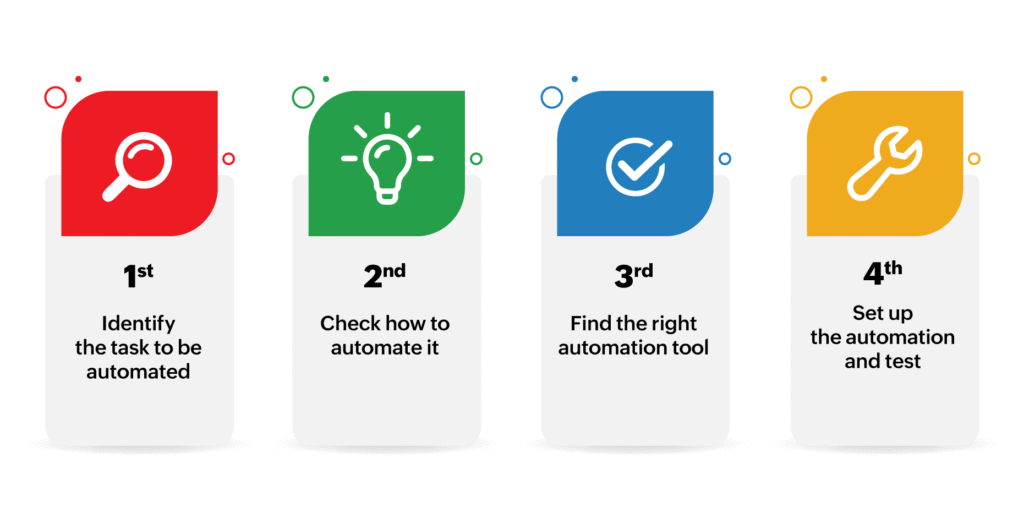
Small tasks that take up time today will be effortlessly handled tomorrow.
Examples include:
- Robot vacuum cleaners that clean homes on schedule.
- AI-driven washing machines that choose the right setting for each fabric.
- Automated grocery restocking through sensors and apps.
- Food delivery drones that drop items at your doorstep in minutes.
- Smart fitness equipment that adjusts intensity based on your body performance.
Automation will free up time so people can focus on hobbies, family, and self-care.
Future living is not just about fancy gadgets — it’s about a lifestyle that is efficient, comfortable, personalized, and sustainable. Technology will reshape almost every part of daily life, from how we cook food to how we work, travel, and maintain our health. As these advancements become more common, they will make life easier and help create a smarter, greener, and healthier world.
This article is based on current trends and predictions in technology. Actual future developments may vary depending on scientific progress, government policies, and global challenges. The content is for informational and educational purposes only.
#FutureLiving #SmartHome #TechnologyTrends #Carrerbook #Anslation #DigitalLife #EcoLiving #SmartCities #FutureTechnology #Innovation #AIRevolution #TechLifestyle