
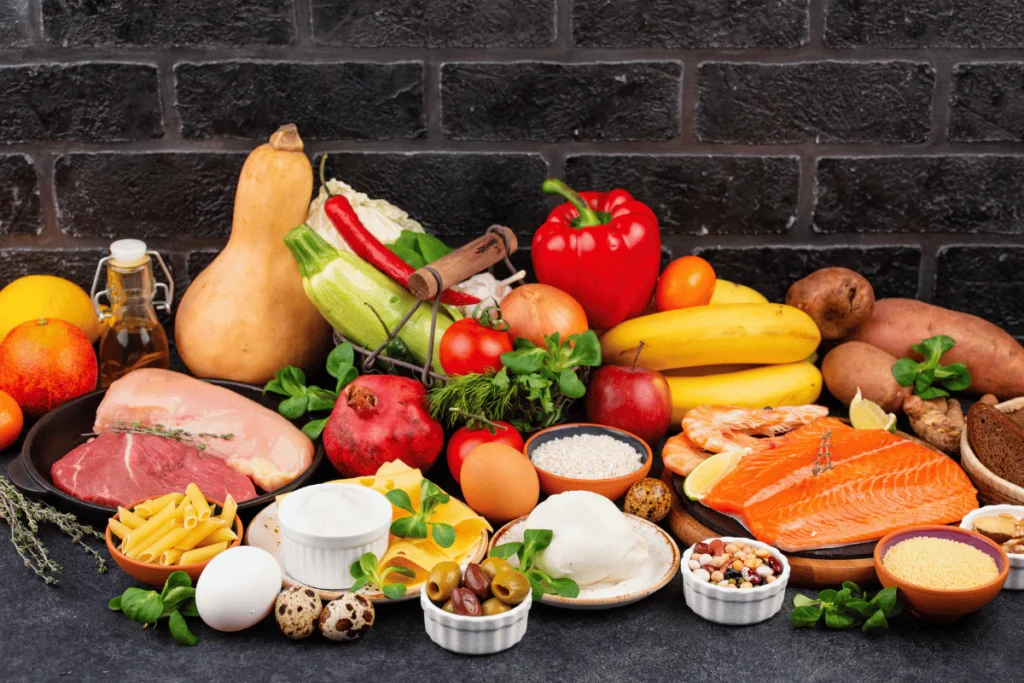
Modern eating is no longer just about counting calories or following strict diets. It’s about understanding food in a practical, science-backed way that fits your lifestyle. Today, people want meals that are nutrient-rich, easy to prepare, and aligned with long-term well-being. This guide breaks down the heart of modern eating and helps you make smarter choices every day.
1. Focus on Whole, Minimally Processed Foods
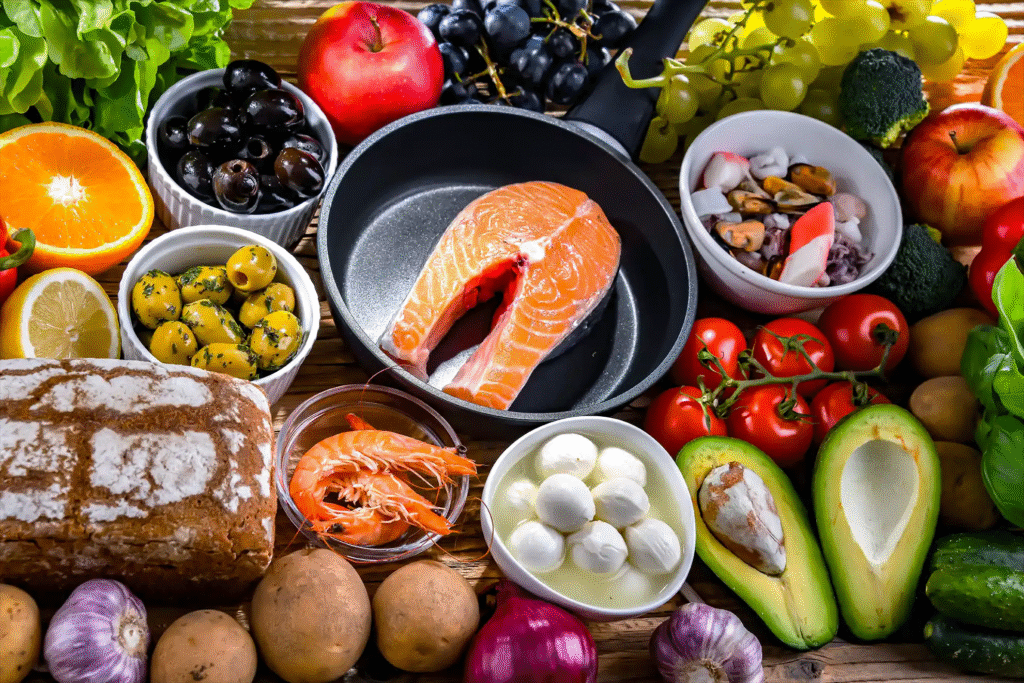
Modern nutrition research consistently shows that eating whole foods improves overall health. Whole foods carry natural vitamins, minerals, antioxidants, and fiber that processed foods often lose. This includes fruits, vegetables, whole grains, nuts, seeds, legumes, and lean proteins.
When you rely more on whole ingredients, your body works more efficiently. Whole foods digest slowly, regulate blood sugar levels, support healthy gut bacteria, and reduce inflammation. They also help you feel full for longer, preventing overeating. Modern eating doesn’t mean removing processed foods entirely, but it encourages a conscious effort to choose ingredients close to their natural state.
2. Balanced Meals That Support Energy Throughout the Day
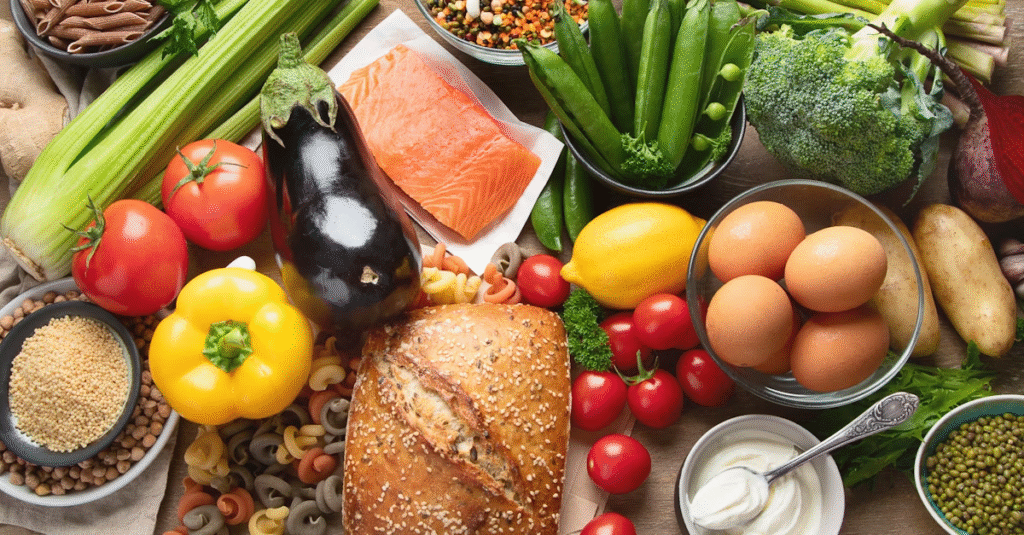
A big part of modern eating is understanding the balance between macronutrients: carbohydrates, proteins, and fats. Each plays a different role in the body. Carbs fuel energy, protein repairs and builds tissues, and healthy fats support hormones and brain function.
Instead of extreme diets that eliminate food groups, the modern approach encourages building balanced plates. A typical day might include whole grains in the morning, a colorful lunch full of vegetables and lean protein, and a dinner that blends fiber and healthy fats. This approach keeps energy steady, reduces cravings, and ensures your body gets what it needs to function at its best.
3. Mindful Eating That Strengthens Your Relationship With Food

Mindful eating has become a core part of modern nutrition. It’s the practice of paying attention to the experience of eating: the taste, texture, hunger signals, and fullness cues. Many people eat quickly or while distracted, which often leads to overeating.
Mindfulness helps you slow down, enjoy your meals, and become aware of your body’s needs. Studies show mindful eating reduces emotional eating, improves digestion, and increases satisfaction with smaller portions. It also helps build a healthier and more positive relationship with food by removing guilt and promoting balance.
4. Hydration as a Key Part of Daily Nutrition
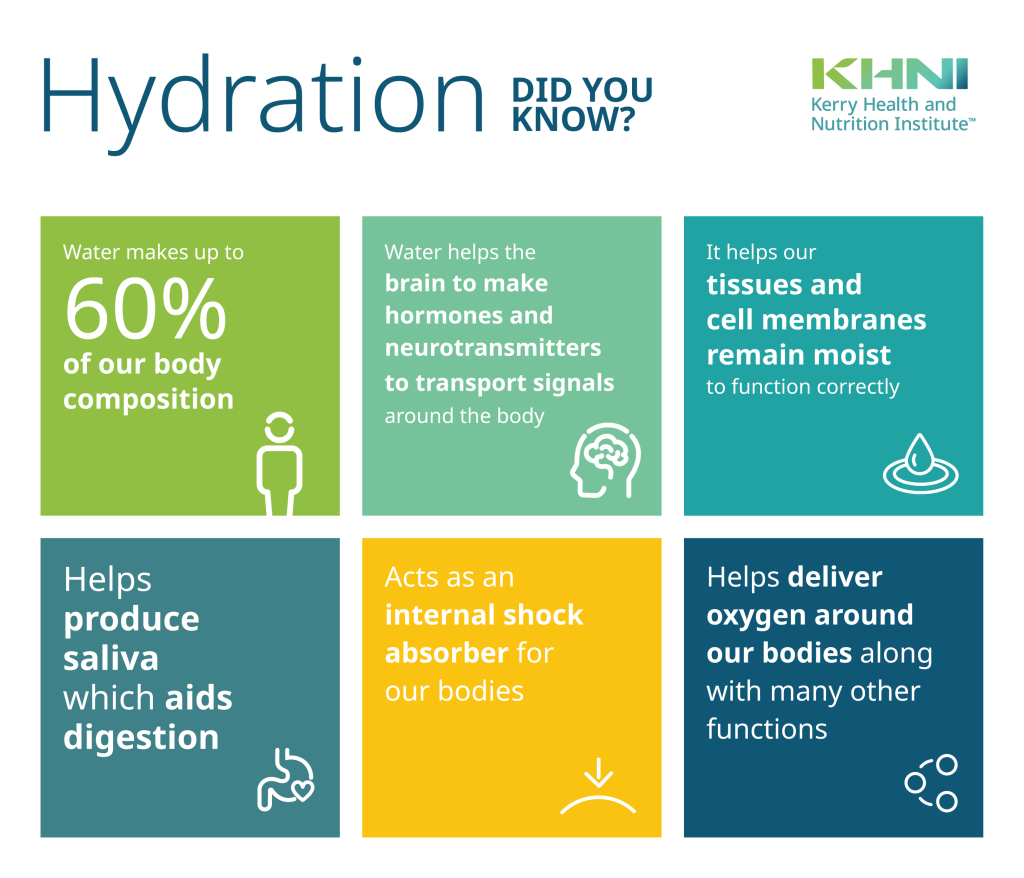
While most people focus on food, hydration plays an equally important role. Water helps regulate temperature, transport nutrients, and remove waste from the body. Modern eating emphasizes drinking enough water based on your activity level, climate, and body size.
Many adults experience fatigue and headaches simply because they’re dehydrated. Including water-rich foods like cucumber, oranges, watermelon, tomatoes, and leafy greens also contributes significantly to daily hydration. Herbal teas, infused water, and low-sugar beverages are modern alternatives that support hydration without excess calories.
5. Smarter Snacking With Nutrient-Dense Choices
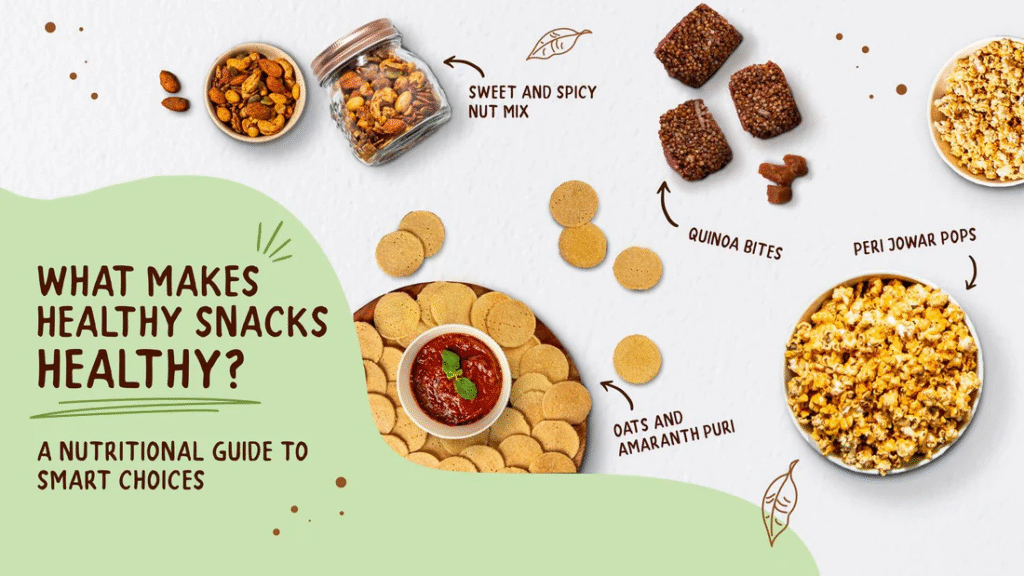
Snacking isn’t the enemy. The problem is choosing snacks high in sugar, salt, and unhealthy fat. Modern eating shifts snacking into a strategic habit. Nutritious snacks help maintain energy, prevent overeating during meals, and support overall nutrition.
Instead of chips or sugary items, options like mixed nuts, fruit with Greek yogurt, hummus and veggies, whole-grain crackers, smoothies, or dark chocolate offer satisfaction and nutrients. These choices stabilize blood sugar, boost metabolism, and improve mood. Snacking becomes a tool, not a setback, when done mindfully.
6. Plant-Forward Eating for Longevity and Sustainability
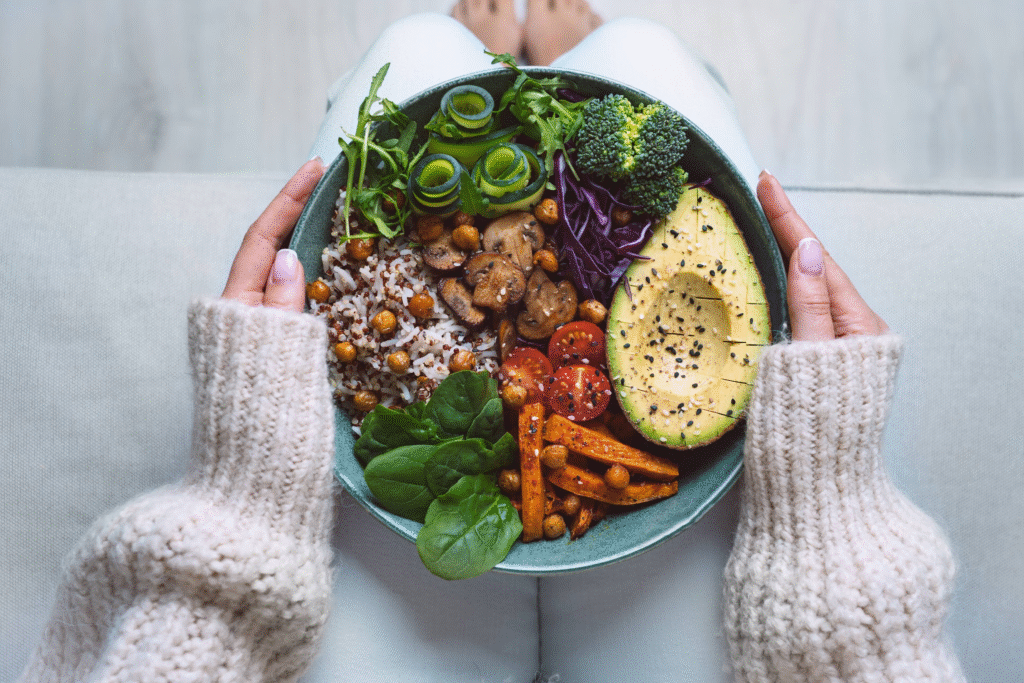
Plant-forward eating doesn’t mean becoming vegetarian, but increasing plant-based foods in your daily meals. Plants offer essential nutrients that support heart health, digestion, and immunity. This way of eating also reduces the risk of chronic diseases like diabetes, obesity, and high blood pressure.
Plant-based meals include beans, lentils, vegetables, fruits, nuts, and seeds. Even simple swaps—like choosing whole-grain pasta, adding salads, or trying plant-based proteins—can make a big difference. Modern eating recognizes that what’s good for your body can also be good for the planet.
7. Reducing Sugar and Refined Carbs Without Feeling Restricted

One of the biggest goals of modern eating is lowering the intake of refined sugar. Foods like sugary drinks, cookies, packaged snacks, and bakery items cause quick energy spikes followed by crashes. Over time, high sugar consumption leads to weight gain, insulin resistance, and heart problems.
Instead of completely eliminating sweetness, modern eating suggests smarter alternatives like fruits, honey, jaggery, dark chocolate, or naturally sweetened homemade treats. Replacing refined carbs with whole grains also improves digestion, metabolism, and overall well-being.
8. Listening to Your Body Instead of Following Trends
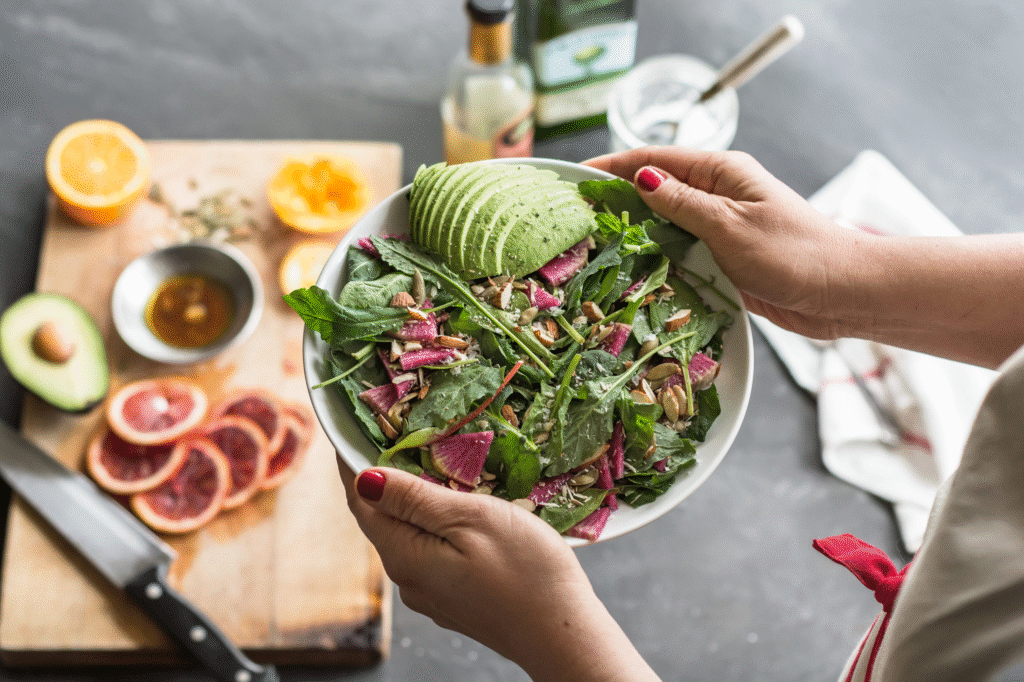
Every few months, a new diet trend shows up—keto, intermittent fasting, detoxes, and so on. While some trends can be helpful, they don’t work for everyone. Modern eating encourages understanding your own body. Pay attention to how different foods make you feel, your digestion, your energy patterns, and your hunger cues.
Your body will always give you feedback. When you learn to recognize that feedback, you start eating in a way that supports your personal health rather than copying what’s popular. This creates long-lasting habits and reduces stress around eating choices.
9. Meal Planning That Saves Time and Boosts Nutrition
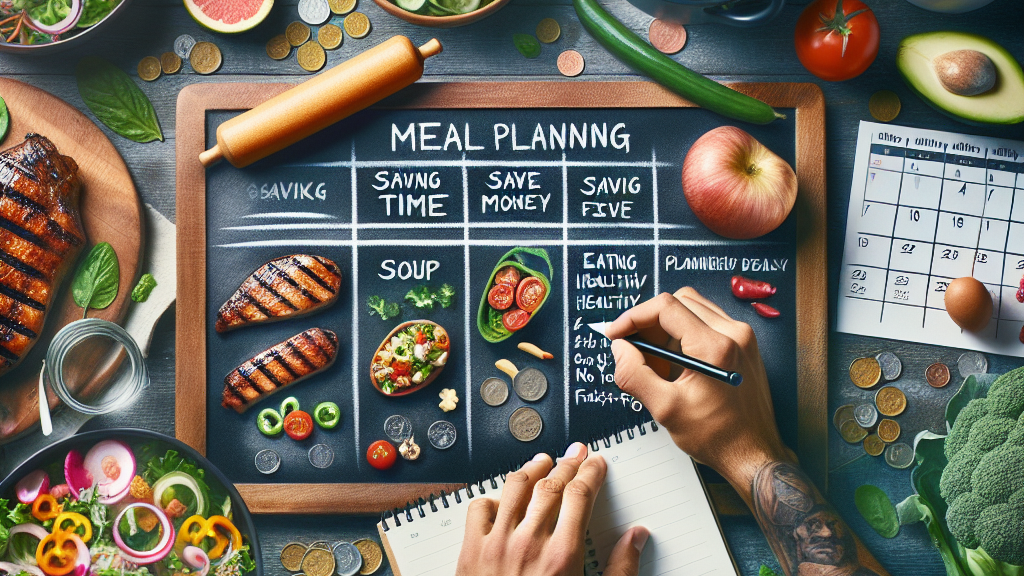
Meal planning is a practical part of modern eating. Preparing meals ahead of time helps reduce stress, saves money, and prevents unhealthy last-minute choices. Planning also helps create balanced meals throughout the week.
Batch-cooking grains, chopping vegetables in advance, preparing sauces, and organizing snacks makes eating healthy simpler and more consistent. This approach ensures you never compromise nutrition just because of a busy schedule.
Modern eating is all about simplicity, balance, and awareness. It invites you to enjoy food without guilt, choose whole ingredients more often, and create eating habits that match your lifestyle. When you combine mindfulness with nutrient-rich meals and hydration, you support both your body and mind. Modern eating isn’t a diet—it’s a long-term approach that helps you live healthier, feel better, and develop a positive relationship with food every day.
This article is for informational purposes only. It is not a substitute for professional medical or dietary advice. Always consult a qualified healthcare provider or nutritionist for personalized guidance, especially if you have specific health conditions or dietary needs.
#ModernEating #HealthyLiving #NutritionTips #HealthyLifestyle #Carrerbook #Anslation #CleanEating #MindfulEating #WellnessJourney #BalancedDiet #HealthyHabits #EatSmart