
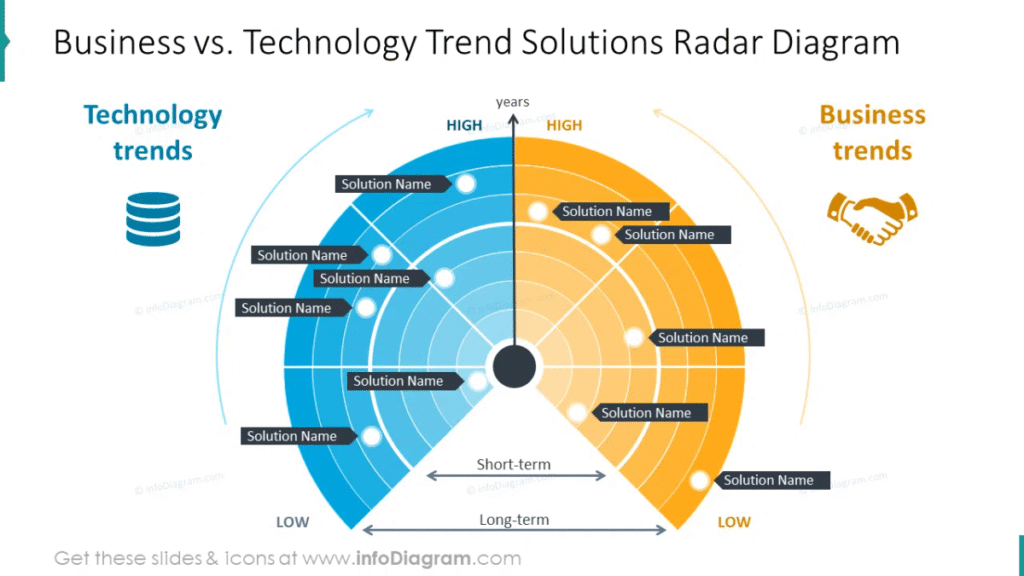
In today’s fast-moving world, new trends come and go faster than ever. Whether you’re a marketer, creator, business owner, or student, staying ahead is the only way to stay relevant. This is where Trend Radar becomes useful. It helps you understand what’s happening now, what’s emerging, and what could shape the future.
Below is a simple and practical guide for beginners.
What Is a Trend Radar?
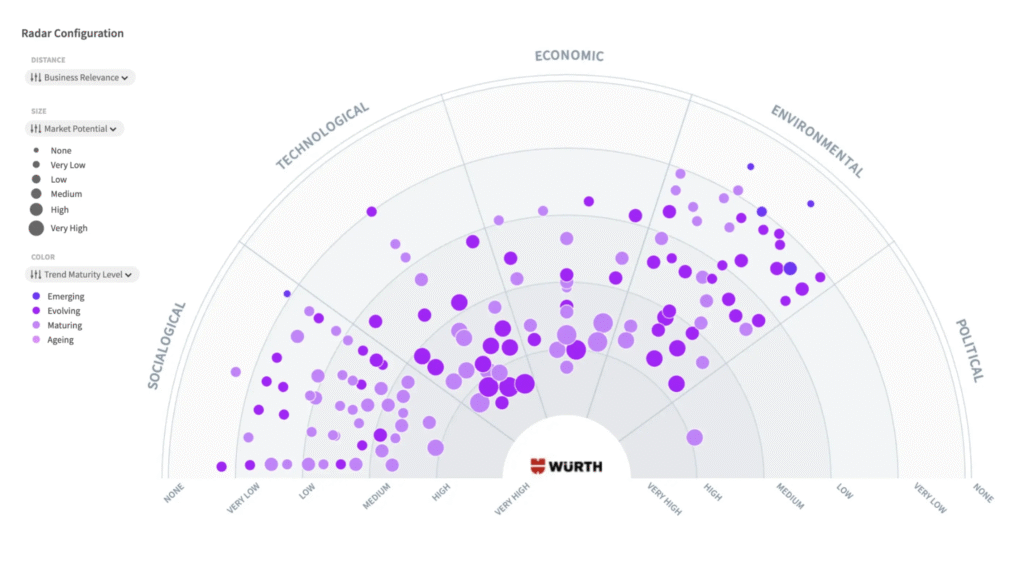
A Trend Radar is a visual tool used to identify, organize, and track trends that may impact a business, industry, or audience.
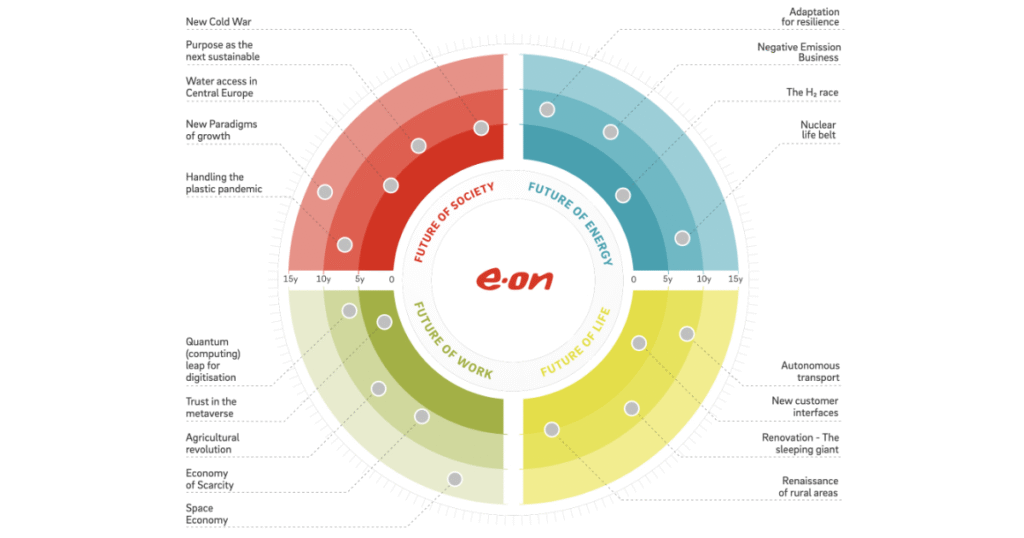
It shows trends in circular layers, helping you understand which trends are:
- Happening right now
- Slowly emerging
- Likely to influence the future
Think of it as a map of the future that helps you plan smarter.
How Does a Trend Radar Work?
A trend radar divides trends into three or four rings, each representing how soon they might affect you.
1. Core Zone (Current Trends)

These are the trends that are active today and already shaping behavior.
Example:
- AI-powered content creators
- Sustainable fashion
- Mobile-first web design
2. Emerging Zone (Near Future Trends)

These trends are growing and may impact you soon.
Example:
- Voice search optimization
- AR shopping experiences
- Bio-based materials in products
3. Horizon Zone (Long-Term Trends)

These trends may take years to mature but can change entire industries.
Example:
- Quantum computing
- Fully autonomous transportation
- Metaverse-driven lifestyles
Why Is Trend Radar Important?
1. Helps You Spot Opportunities Early
You start preparing for trends before they become mainstream.
2. Improves Decision-Making
Brands use it to plan future products, strategies, and marketing.
3. Keeps You Ahead of Competitors
By understanding what’s coming next, you can lead instead of follow.
4. Helps Creators Produce Relevant Content
Bloggers, YouTubers, and marketers can target high-demand topics early.
5. Shows Which Trends Matter the Most
It filters noise and focuses only on trends with real impact.
Where Is Trend Radar Used?
Trend radars are used in:
- Marketing and Digital Strategy
- Product Development
- Innovation & Research Teams
- Content Creation and Social Media
- Business Planning and Forecasting
Even solo creators and bloggers can use a simple trend radar to grow content faster.
How to Build Your Own Trend Radar
Step 1: Collect Trend Data
Use tools like:
- Google Trends
- Exploding Topics
- Statesman
- Social media trend reports
- Industry research papers
Step 2: Categorize the Trends
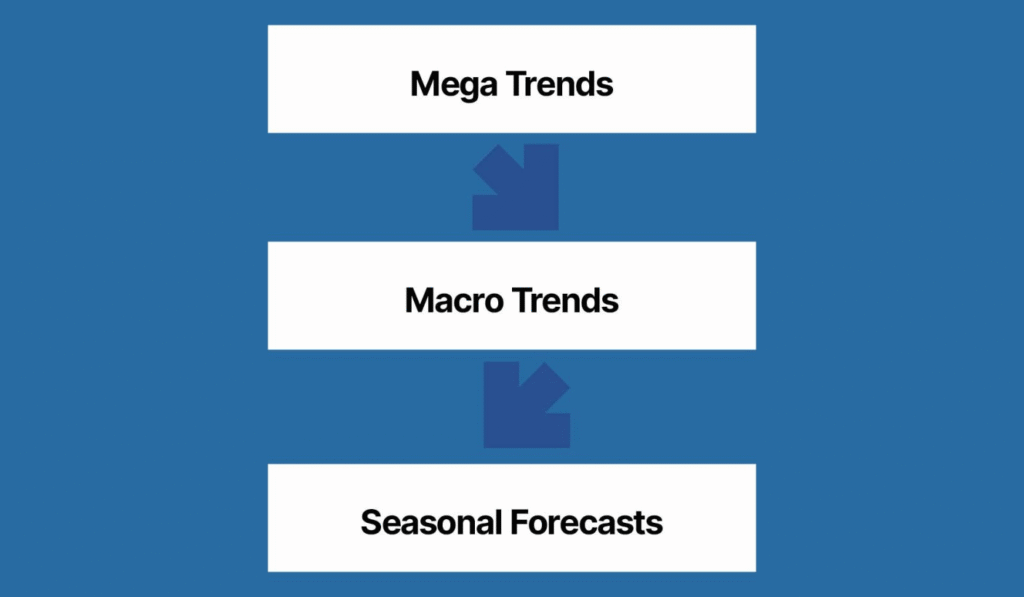
Sort them into:
- Current
- Emerging
- Long-term
Step 3: Plot Them on a Radar Map
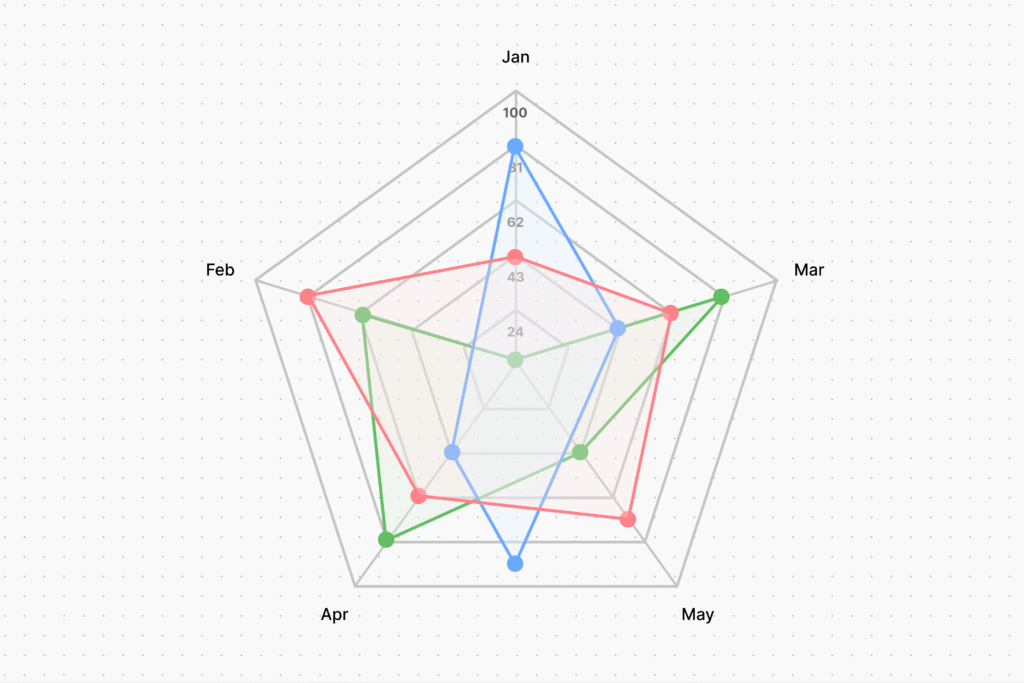
Use tools like:
- Fruit
- Canva
- Notion
- TrendHunter dashboard
Step 4: Review and Update
Trends change. Keep your radar updated every 30–60 days.
Real Examples of Trend Radar in Action
Fashion Industry
A fashion brand uses trend radar to identify:
- Trending fabrics
- Future color palettes
- Tech-integrated clothing
Tech Industry
A tech company tracks:
- AI adoption
- 6G development
- The rise of autonomous retail
Content Creators
Creators use trend radars to decide:
- What niche is rising
- Which topics will rank
- What audience wants next
A trend radar is a powerful tool that helps you understand the present and prepare for the future. It organizes trends in a simple, visual way so you can make better decisions, stay ahead of competition, and create more relevant content. Whether you’re a creator, strategist, business owner, or beginner, building a trend radar can give you a clear advantage in a fast-changing world.
This content is for educational and informational purposes only. Trend forecasts are based on available data and may change over time. Always use multiple sources for business-critical decisions.
#TrendRadar #FutureTrends #DigitalStrategy #Carrerbook #Anslation #MarketResearch #BusinessGrowth #ContentStrategy #EmergingTrends #InnovationInsights #BeginnersGuide